
Key takeaways
Duffle Coat: The Nordic Winter Coat
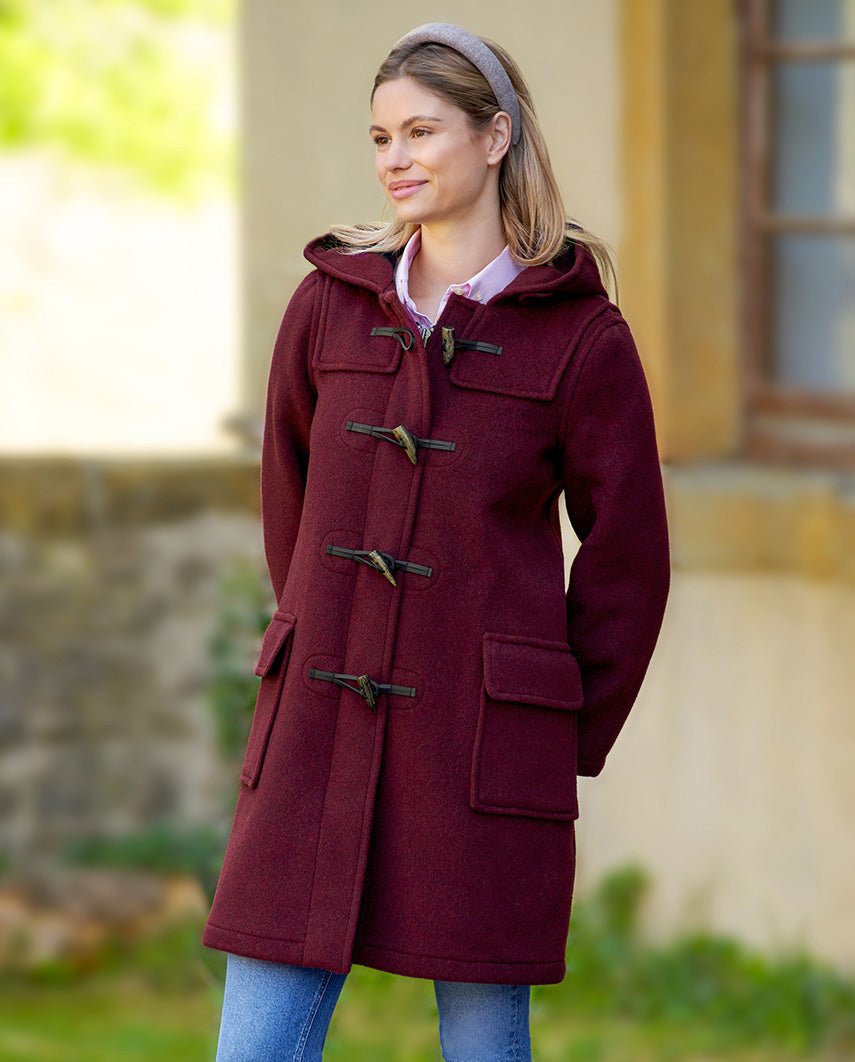
The duffle coat is one of the oldest heritage coats around. Its name dates back to the Belgian town of Duffel, where the characteristic heavy woolen fabric was originally produced. However, the coat gained fame in Great Britain: the British Royal Navy used it as a robust winter uniform on board from the late 19th century onwards. Field Marshal Bernard Montgomery, one of the defining figures of the British forces in World War II, wore it so prominently that the duffle coat is still occasionally referred to as the "Monty Coat" in English-speaking countries.
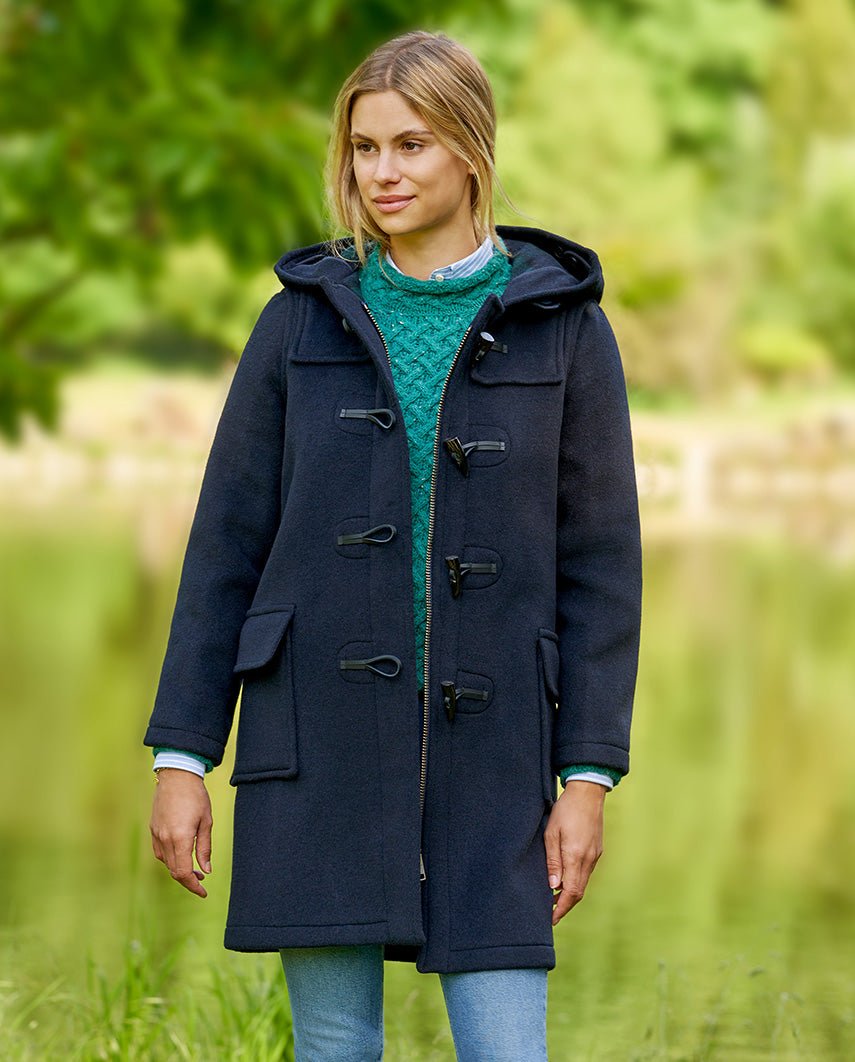
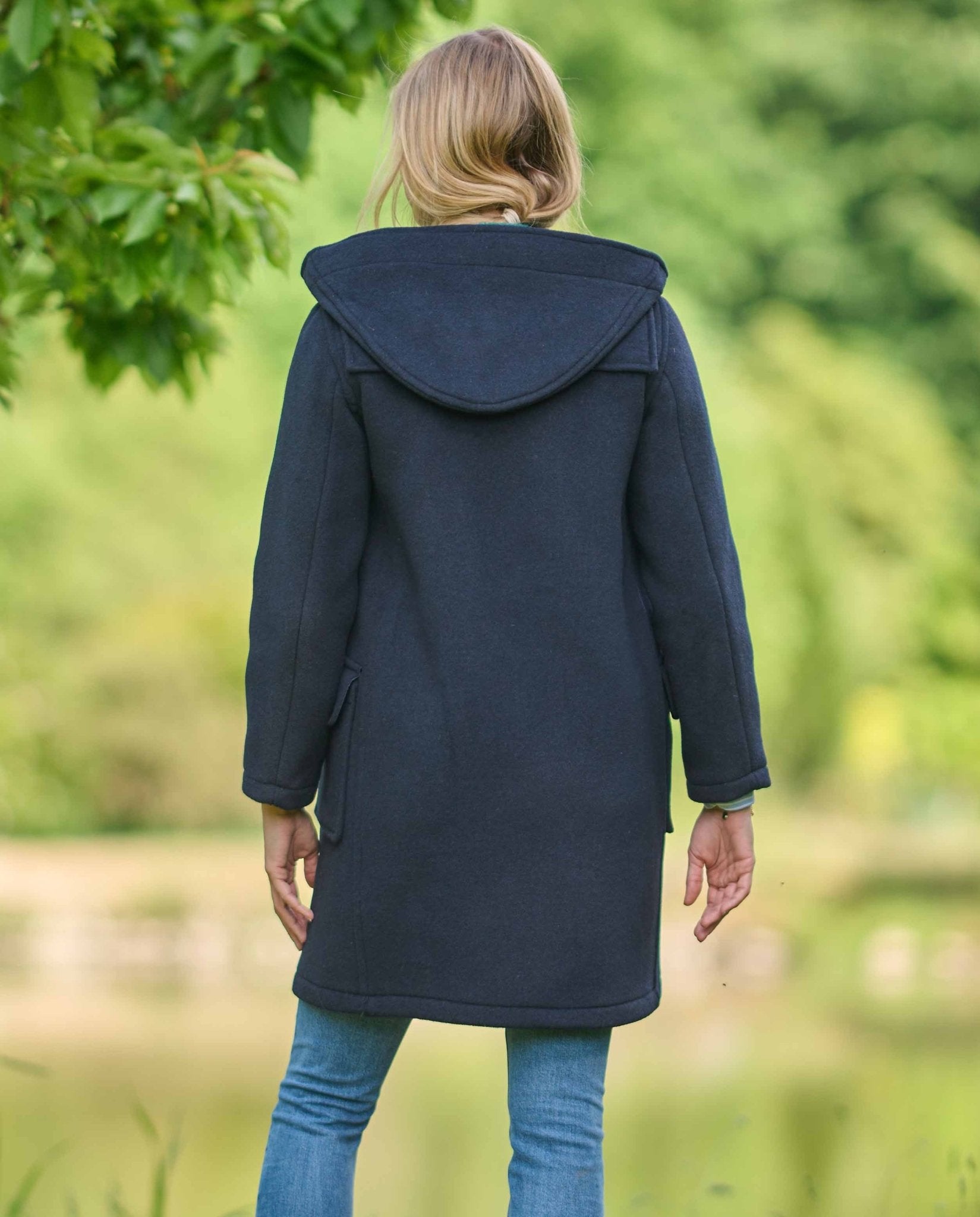
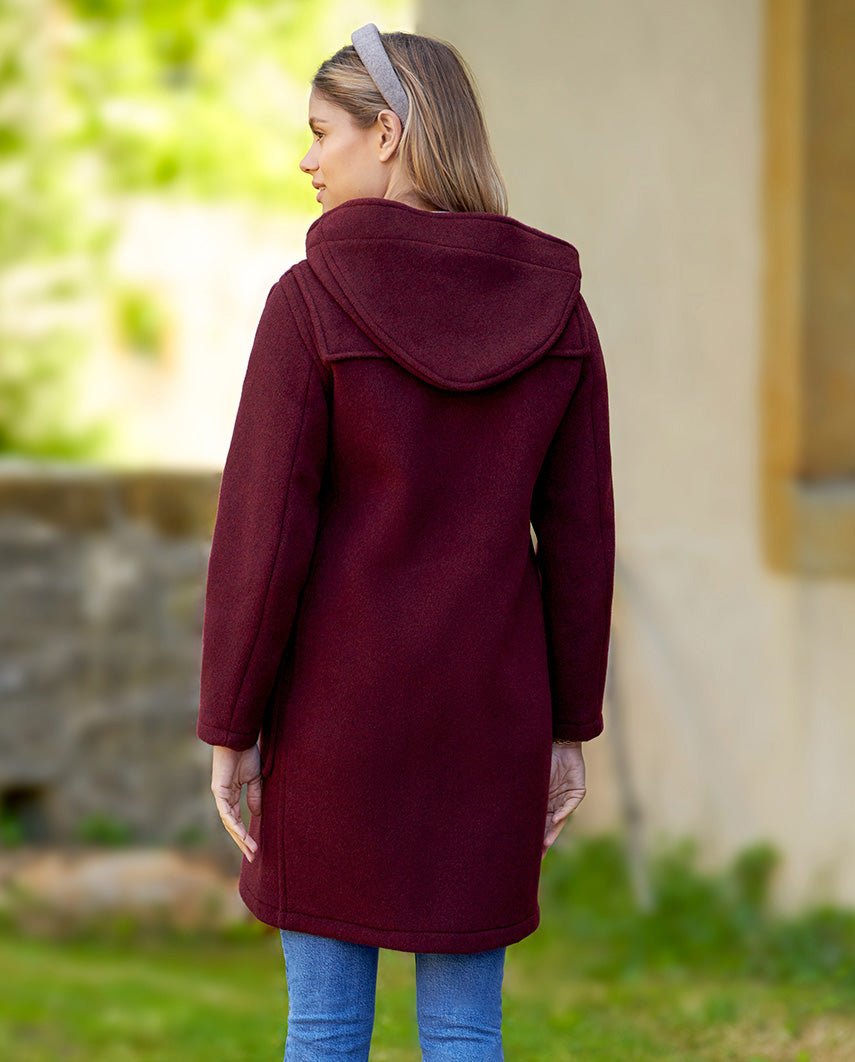
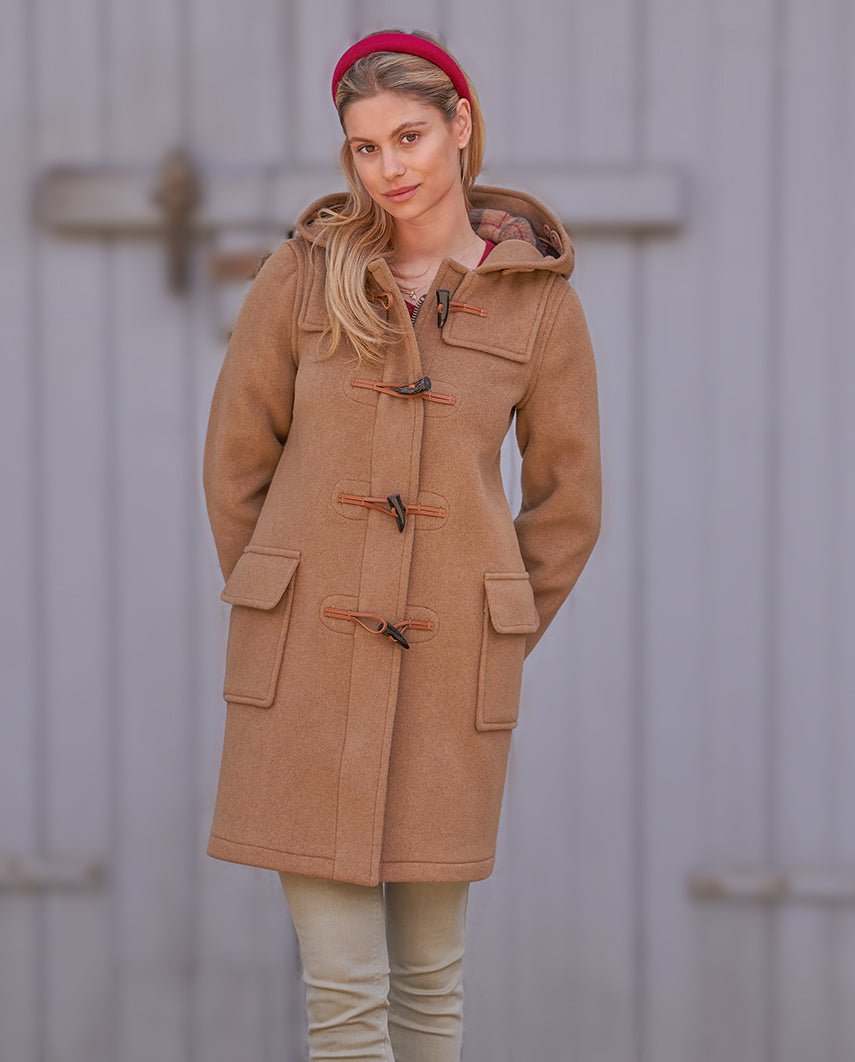
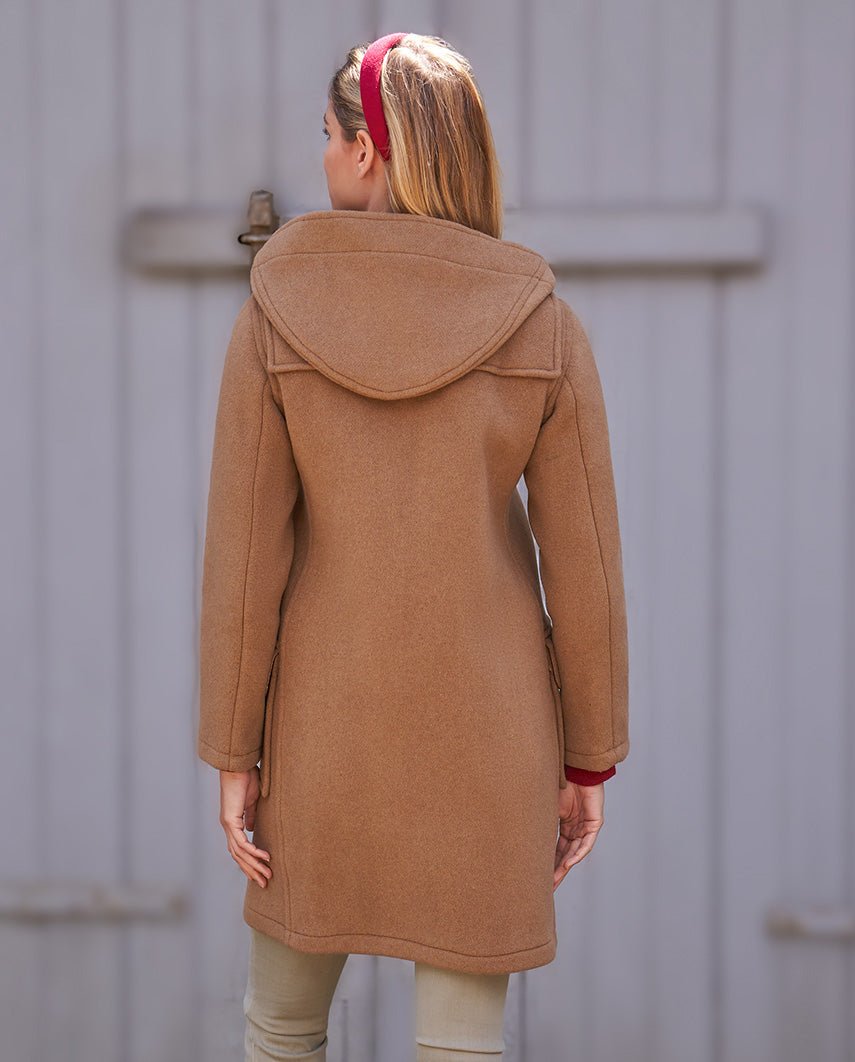
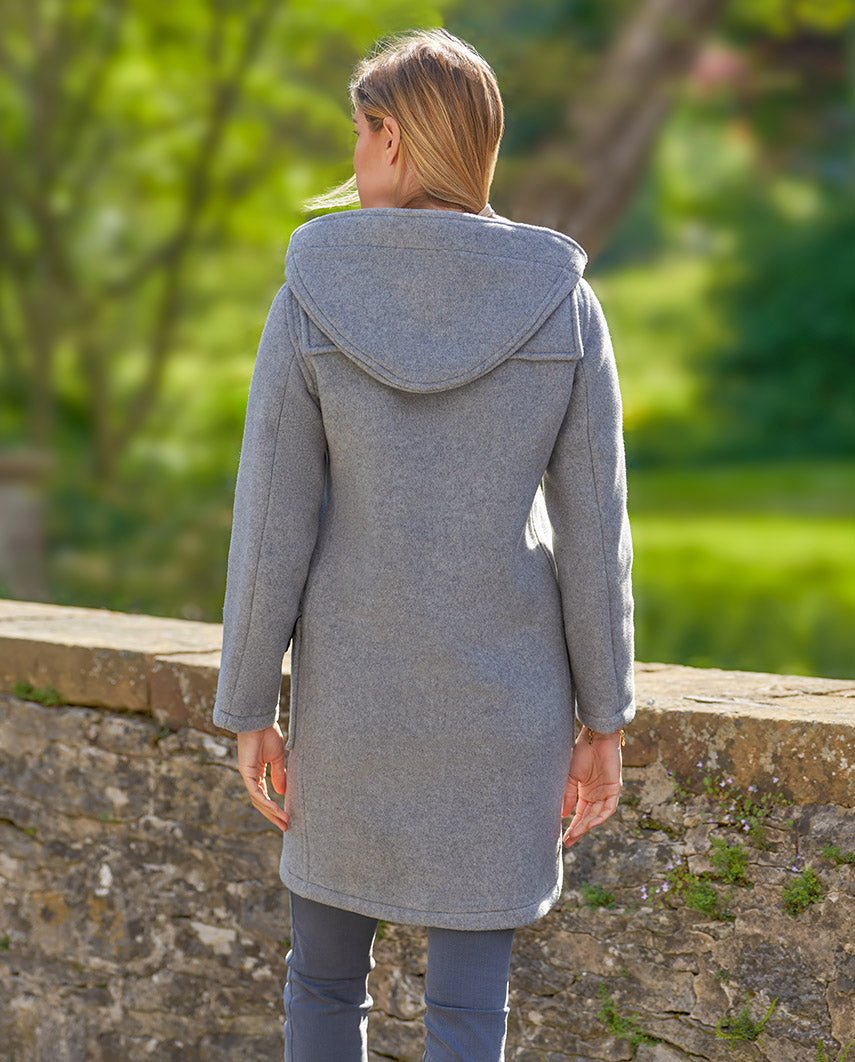
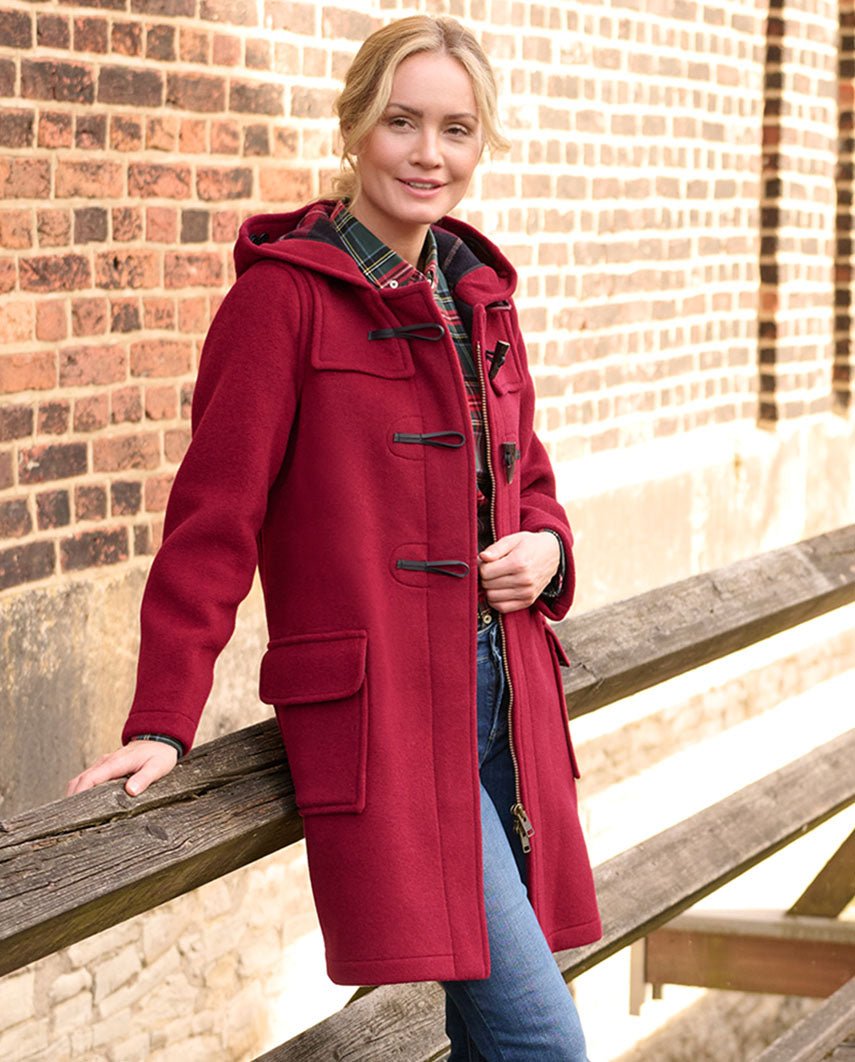
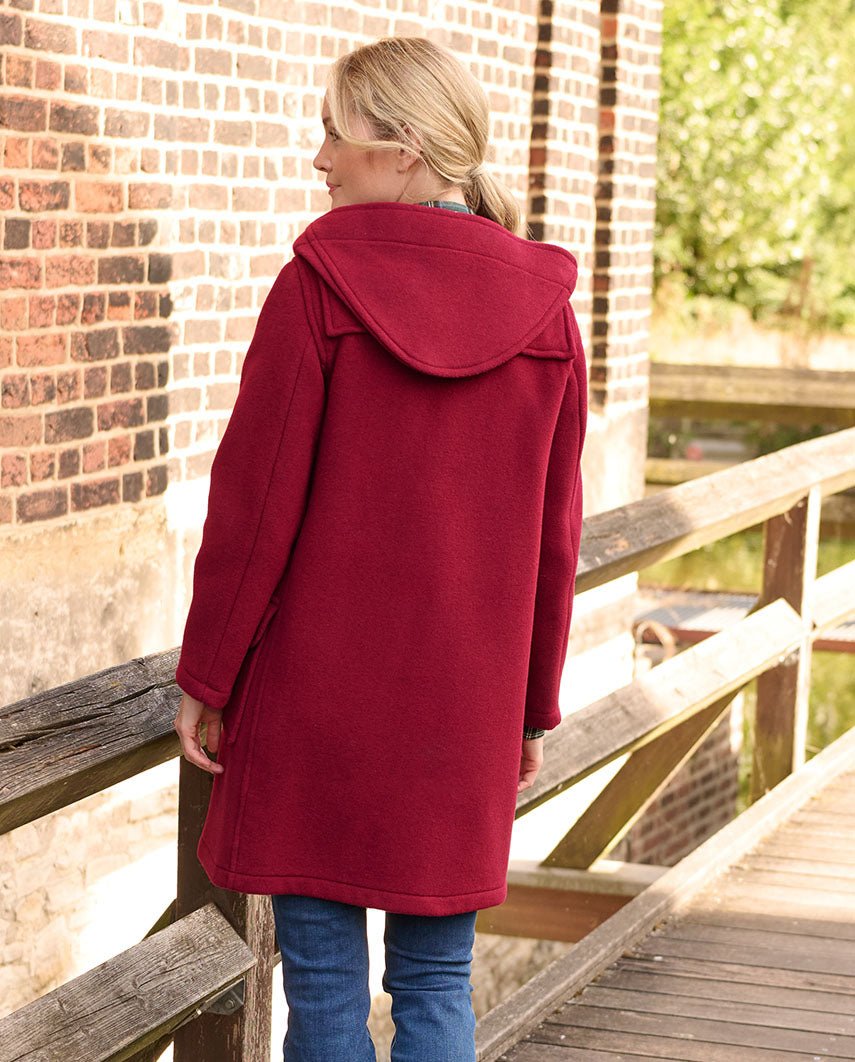
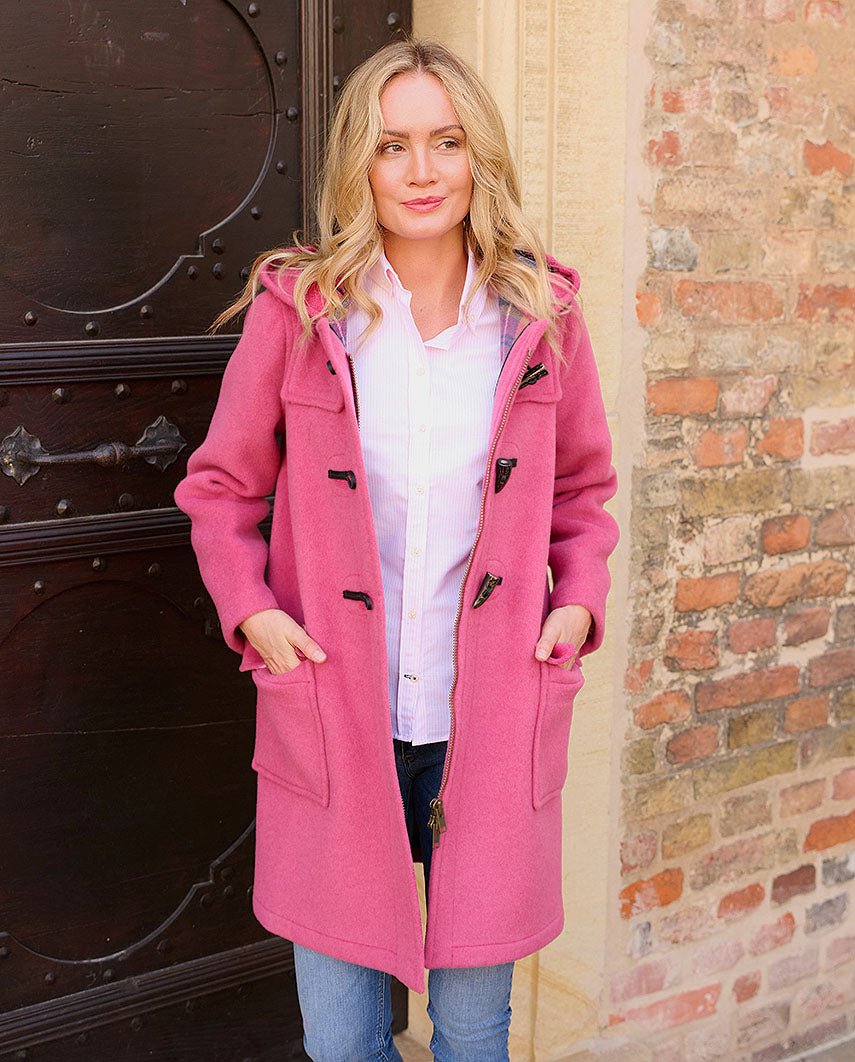
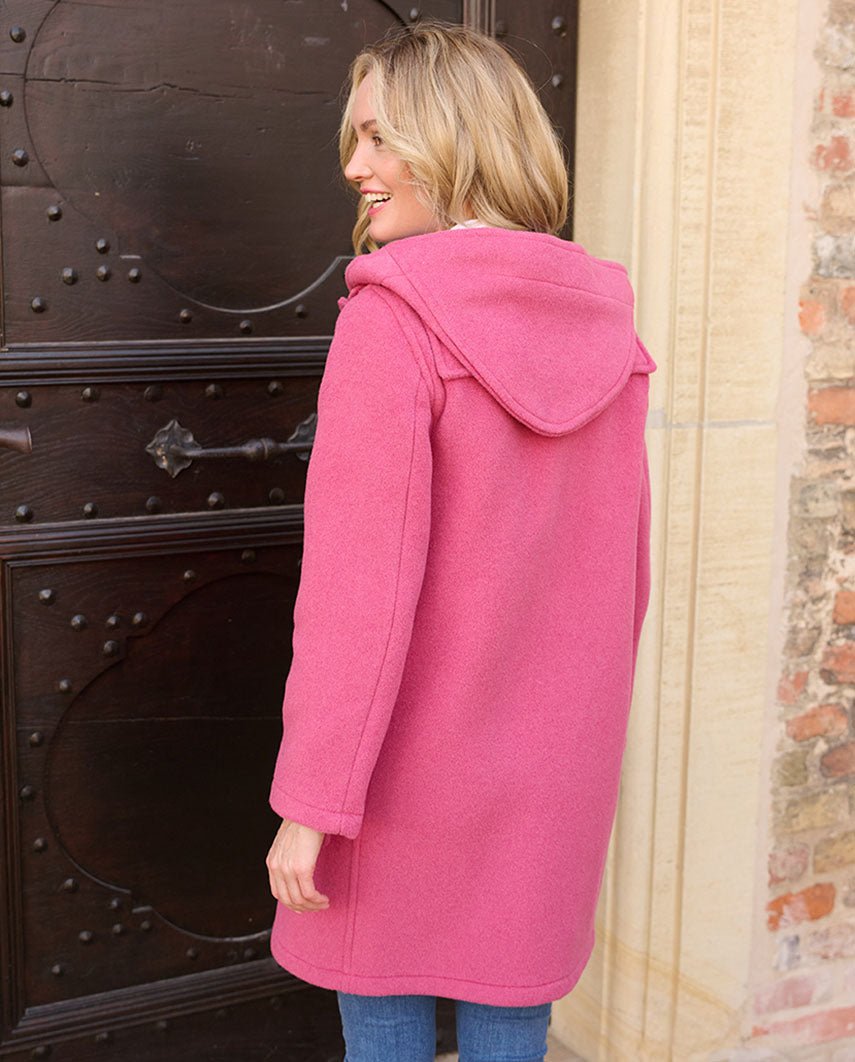
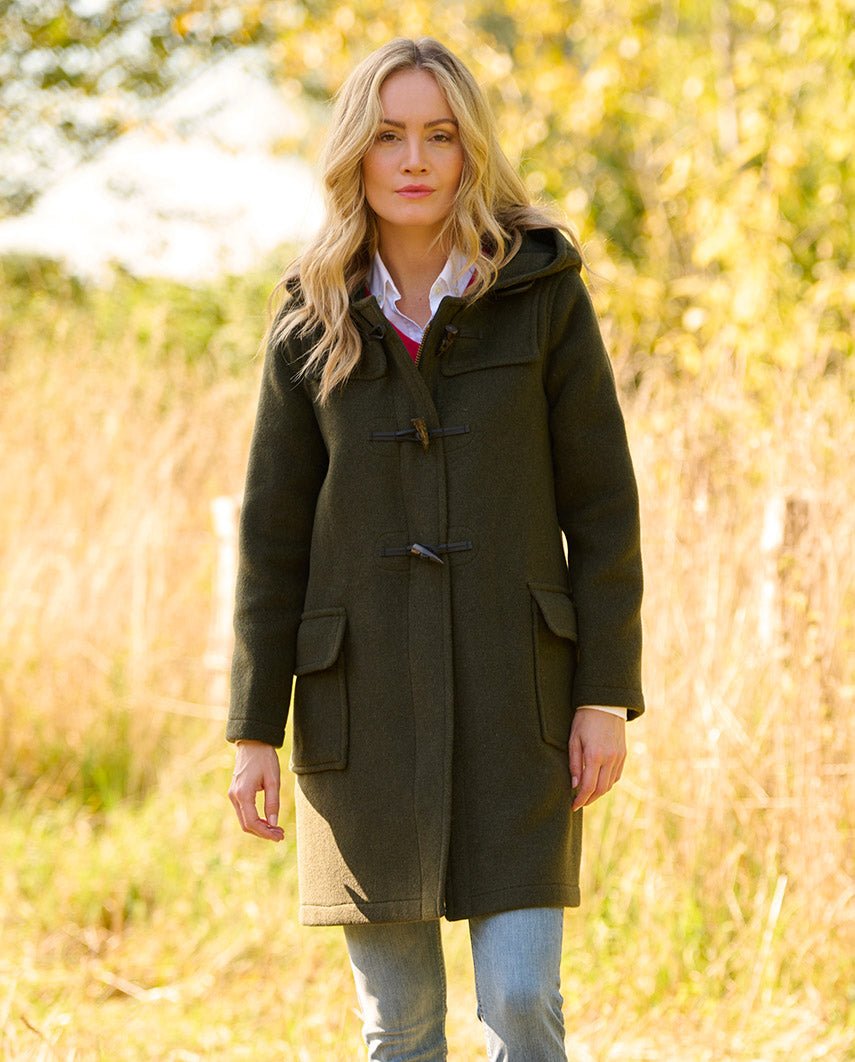
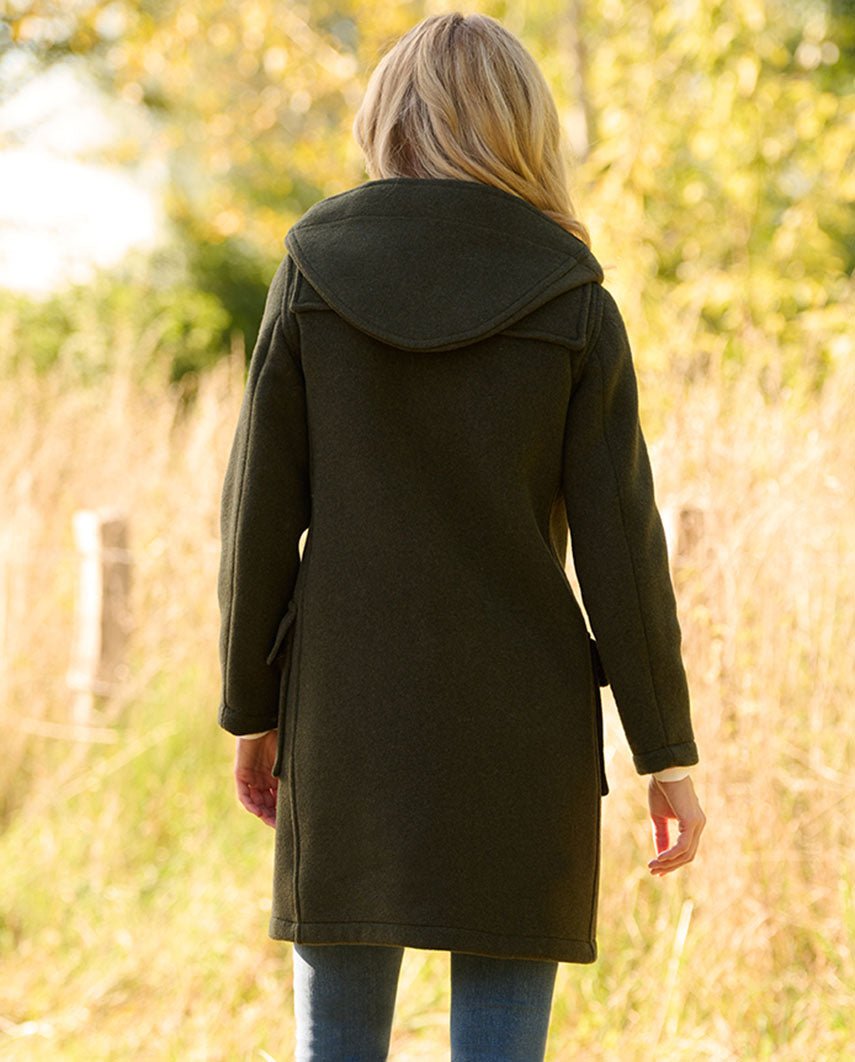
Its features are clearly defined. The coat is made of thick boiled wool, usually hip-length to knee-length. Instead of buttons, it is fastened with toggle closures, so-called toggles made of wood or horn, which are attached to the front of the coat with leather loops. This construction allows for quick opening and closing with gloves, a practical advantage on board. The hood is generously cut so that it fits over the classic navy cap. Classic colors are camel, anthracite, and navy blue.
In a modern outfit, the duffle coat works particularly well with knitwear, jeans or corduroy trousers, and sturdy leather shoes. It is the honest winter coat with a country character, less formal than the trench coat and less maritime than the pea coat. Wellington of Bilmore offers duffle coats for men and duffle coats for women in classic heritage cuts.

Duffle Coat "Men's Duffle" for men in camel
Trench Coat: The Classic Raincoat from the Trenches
The trench coat is the youngest of the four classics and at the same time the most fashionably effective. Its origin lies in the First World War: British officers in the trenches needed a coat that protected them from wind, rain, and cold while also offering enough space for equipment. The brands Burberry and Aquascutum supplied the first production-ready models made of water-repellent gabardine, a fabric that Thomas Burberry had already developed in 1879. After the war, the trench coat established itself as a civilian coat and became a timeless style classic through films and prominent wearers.
The typical features directly derive from its military function. The coat is double-breasted, knee-length, and equipped with a belt with D-rings, on which equipment was originally carried. Shoulder straps (epaulets) are located on the shoulders, which once held rank insignia. A storm flap is often found on the right shoulder, which was intended to protect the rifle from moisture when firing. The classic color is a muted khaki or beige, complemented by navy blue and anthracite as modern variations.
The length determines the character: the classic trench coat is knee-length and appears most formal, shorter and mid-length cuts are more modern and suitable for everyday wear, while longer variants emphasize the elegant silhouette. Especially in women's fashion, the short trench coat is a distinct and highly sought-after category.
In a modern outfit, the trench coat is the most versatile of the four classics. It works over a suit, with a shirt and trousers, with jeans and knitwear, and equally well with a classic sheath dress. Wellington of Bilmore offers trench coats for men and trench coats for women in classic cuts and color variations.

Women's Trench Coat "Darby" in beige
Pea Coat: The Maritime Double-Breasted Jacket
The pea coat, or "Cabanjacke" in German, has its origins in the Dutch and French navies of the 18th century. Its name probably derives from the Dutch word "pijjekker" for a coarse woolen fabric or from the French "caban," which was used in the Mediterranean as a term for a coat-like overgarment. Through the French navy, the coat found its way into the British and American fleets and established itself as a civilian classic in the 20th century.
Its features are unmistakable. The pea coat is hip-length, double-breasted, and made of heavy, compact wool. Characteristic features include a wide lapel with high buttoning, large buttons (often embossed with an anchor), and side slash pockets. The classic color is navy blue, complemented by anthracite and black. The heavy wool makes the jacket wind-resistant and warm, without appearing like a thick winter coat.
In terms of terminology, there is often confusion between Caban, Cabanjacke, and Cabanmantel. "Caban" is the original French term for the classic, "Cabanjacke" is the German term for the classic hip-length version, and "Cabanmantel" refers to the longer, knee-length adaptation that transfers the maritime design into a coat cut. All three are based on the same model.
In a modern outfit, the pea coat is the elegant, urban alternative to the duffle coat. It works with trousers and a shirt, with jeans and knitwear, and also snuggles up to a suit without looking like a classic coat. Wellington of Bilmore offers pea coats for men and pea coats for women. Those looking for the longer coat version will find classic double-breasted coats for men in a similar tradition.

Pea Coat "Kathy" in Harris Tweed in evergreen
Field Jacket: The Robust Country Choice
The field jacket, also known as "Feldjacke" in German-speaking countries, has its roots in military field equipment. The best-known variant is the American M-65 Field Jacket from the 1960s, which became standard issue for the US Army during the Vietnam War and is now the most iconic representative of its kind. A second lineage leads through the British armed forces and British hunting tradition, where robust outdoor jackets with ample storage space have been standard equipment for centuries.
The features make the field jacket instantly recognizable. Four large, patch external pockets with flaps provide storage space for maps, ammunition, or tools. Shoulder epaulets, a sturdy stand-up collar with a stowable hood, and a drawstring at the hem and waist ensure adjustability. Typical fabrics include dense cotton twill, sateen, waxed cotton, or, in the British country style, tweed. Classic colors are olive, sand, khaki, and dark brown.
In the British country style, the field jacket combines military function with heritage-typical materials such as waxed cotton and tweed. This places it close to the classic country look and complements the duffle coat and pea coat as a more robust, functional transitional option.

Men's Field Jacket "Bristol" in Harris Tweed in green overcheck
Which Heritage Classic for Which Occasion
The four classics cover different occasions and weather conditions. The following overview categorizes them by season, weather profile, and typical style character.
For classic business attire, the trench coat is the obvious choice: it fits over a suit, protects against rain, and maintains a formal appearance. For country and weekend situations, the duffle coat and field jacket are the clear classics, depending on the occasion, either as a warm winter coat (duffle coat) or a robust transitional jacket (field jacket). The pea coat occupies an intermediate position: elegant enough for the city, short enough for a relaxed silhouette.
For winter, the duffle coat is the warmest of the four classics, followed by the pea coat made of heavy wool. The trench coat is primarily rain protection and not winter-proof without an inner lining; with a removable wool lining, it can be worn into early winter. The field jacket is best suited for early autumn and mild winter, and in waxed or tweed versions, for harsher conditions.
Heritage Outerwear at Wellington of Bilmore
Wellington of Bilmore offers the most important British heritage outerwear as distinct categories for men and women. From classic duffle coats and trench coats to maritime pea coats and classic double-breasted coats, the range includes key classics in traditionally cut variations, with Wellington of Bilmore's typical focus on materials like virgin wool, wool-cashmere, and waxed cotton.
Frequently Asked Questions about Heritage Outerwear
What is a duffle coat?+
A duffle coat is a hip-length to knee-length wool coat with toggle fastenings and a hood. Its name comes from the Belgian city of Duffel, where the heavy wool fabric was originally produced. It became known through the British Royal Navy, who used it as a robust winter uniform on board. Field Marshal Montgomery so strongly influenced the coat in World War II that it is also called the "Monty Coat" in English-speaking countries.
Where does the trench coat come from?+
The trench coat was developed during World War I for British officers in the trenches. Brands like Burberry and Aquascutum supplied the first ready-to-wear models made of water-repellent gabardine, a fabric that Thomas Burberry had already developed in 1879. After the war, the trench coat established itself as a civilian coat and became a timeless style classic through films and prominent wearers.
What is a pea coat?+
A pea coat is a short, double-breasted wool coat with a wide lapel, high buttoning, and large buttons. Its origins lie in the Dutch and French navies of the 18th century, and it established itself as a civilian classic in the 20th century. Classic colors are navy blue, supplemented by anthracite and black.
What is the difference between a Caban and a Cabanjacke?+
"Caban" is the original French term for the nautical double-breasted coat. In German-speaking countries, "Cabanjacke" has become established for the classic hip-length version, while "Cabanmantel" refers to the longer, knee-length adaptation, which transfers the design into a coat cut. All three are based on the same naval model and share the typical features: heavy wool, double-breasted buttons, wide lapels.
What is a field jacket?+
A field jacket is a robust, multi-pocketed outer jacket with military origins. The most famous variant is the US-American M-65 Field Jacket from the 1960s. Typical features include four large patch outer pockets, epaulets, a robust stand-up collar with an often storable hood, and a drawstring at the hem or waist. In British country style, the field jacket is often made of tweed or waxed cotton.
Which heritage classic is the warmest?+
Compared to the four classics, the duffle coat is the warmest because the thick boiled wool is both insulating and wind-resistant. The pea coat follows with similarly heavy but compact wool, but it is hip-length and thus provides less protection for the thighs. Trench coats and field jackets, without a warm lining, are more transitional pieces and are worn in the cold season with removable quilted linings or thicker knitwear underneath.
Which coat goes with a suit?+
The classic coat for a suit is the trench coat. It is knee-length, double-breasted, and closes neatly over the jacket without creasing the suit. A classic double-breasted wool or wool-cashmere coat also works excellently. Pea coats and duffle coats are cut shorter and are more suitable for casual suit combinations or for a jacket and trousers. The field jacket is not the right choice for a suit.
How do you combine a trench coat?+
The trench coat is the most versatile heritage classic. Traditionally, it is worn closed with a belt buckle and double button row; casually, it falls open with a carelessly knotted belt. For business, it works over a suit or sheath dress; for a casual look, over jeans and knitwear. Classic colors like beige and khaki are the most versatile, while navy blue and anthracite appear a bit more formal.