
Key takeaways
What is a flat cap?
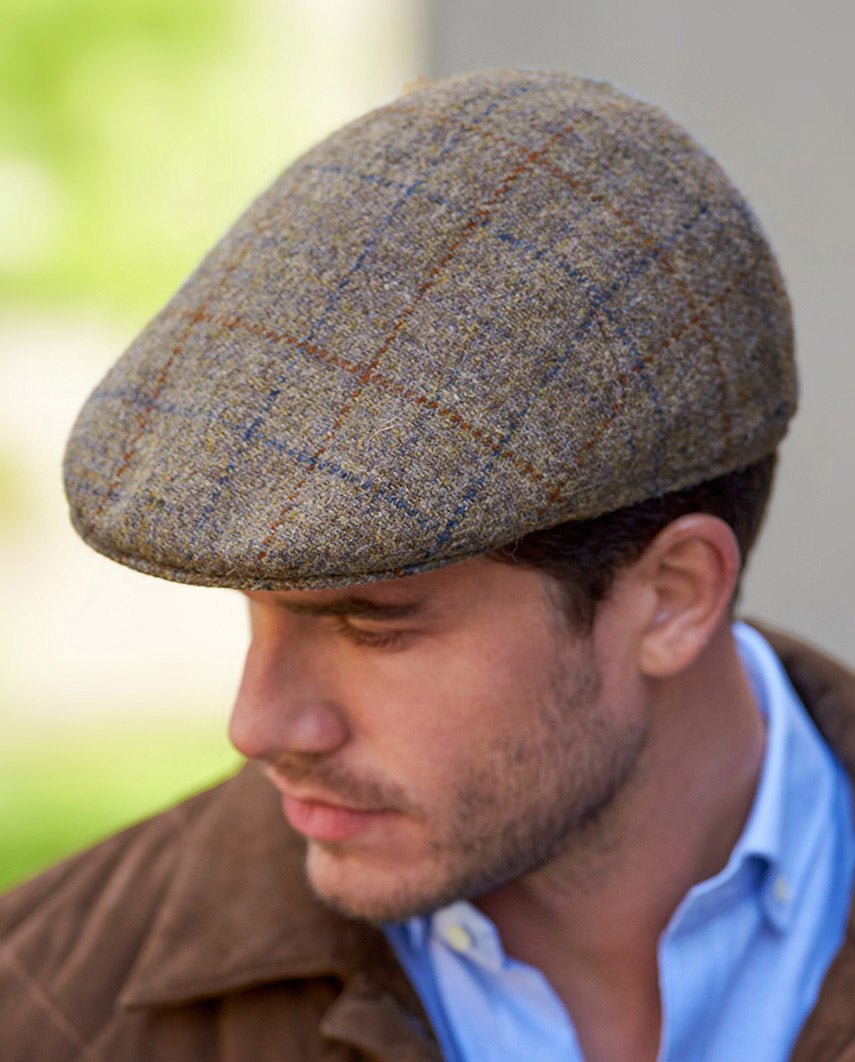
A flat cap is a flat, forward-pulled head covering with a short, attached brim. It is characterized by its flat top and soft shell, which give the cap its understated shape. In English, it is commonly known as a flat cap; in German, it is also called a "Schirmmütze" or "Ballonmütze."
Another characteristic is that the soft shell can be folded flat. As a flat cap, it is an integral part of the British-inspired country style and therefore pairs particularly well with materials like Harris Tweed.
The history of the flat cap
The origins of the flat cap date back to 16th-century Northern England, where an early form of the cap was initially called a bonnet. A well-known chapter in its history is an English law from 1571: under Queen Elizabeth I, it was decreed that all male persons over the age of six, with the exception of the nobility, should wear a wool cap on Sundays and holidays. The aim was to strengthen the domestic wool industry. The law was repealed in 1597 but helped to firmly link the cap with the everyday lives of the working population.
In the 18th and 19th centuries, the flat cap was common in both rural and urban areas of Great Britain and Ireland. It was worn by farm laborers as well as by the landed gentry when hunting, which gave it a cross-class character. From this tradition, it evolved into an integral part of the British country wardrobe, where it is still associated with materials such as Harris Tweed and corduroy.
Flat cap materials: Harris Tweed, Corduroy, and Linen
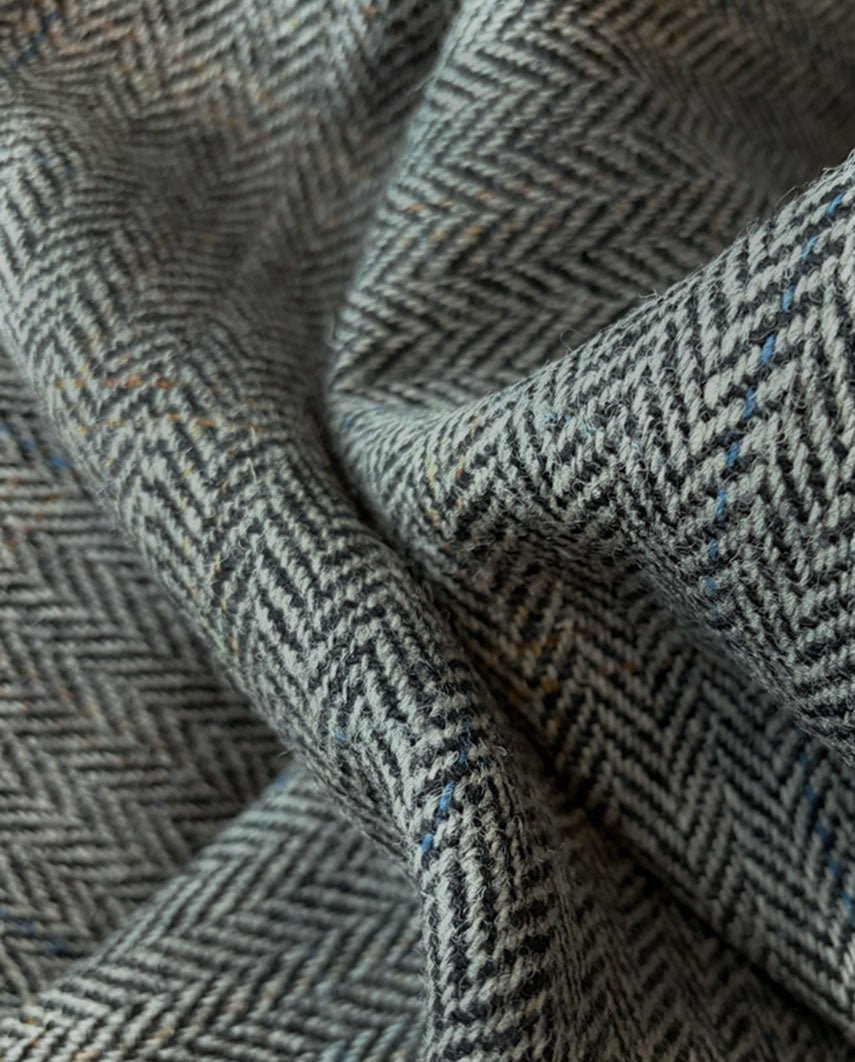
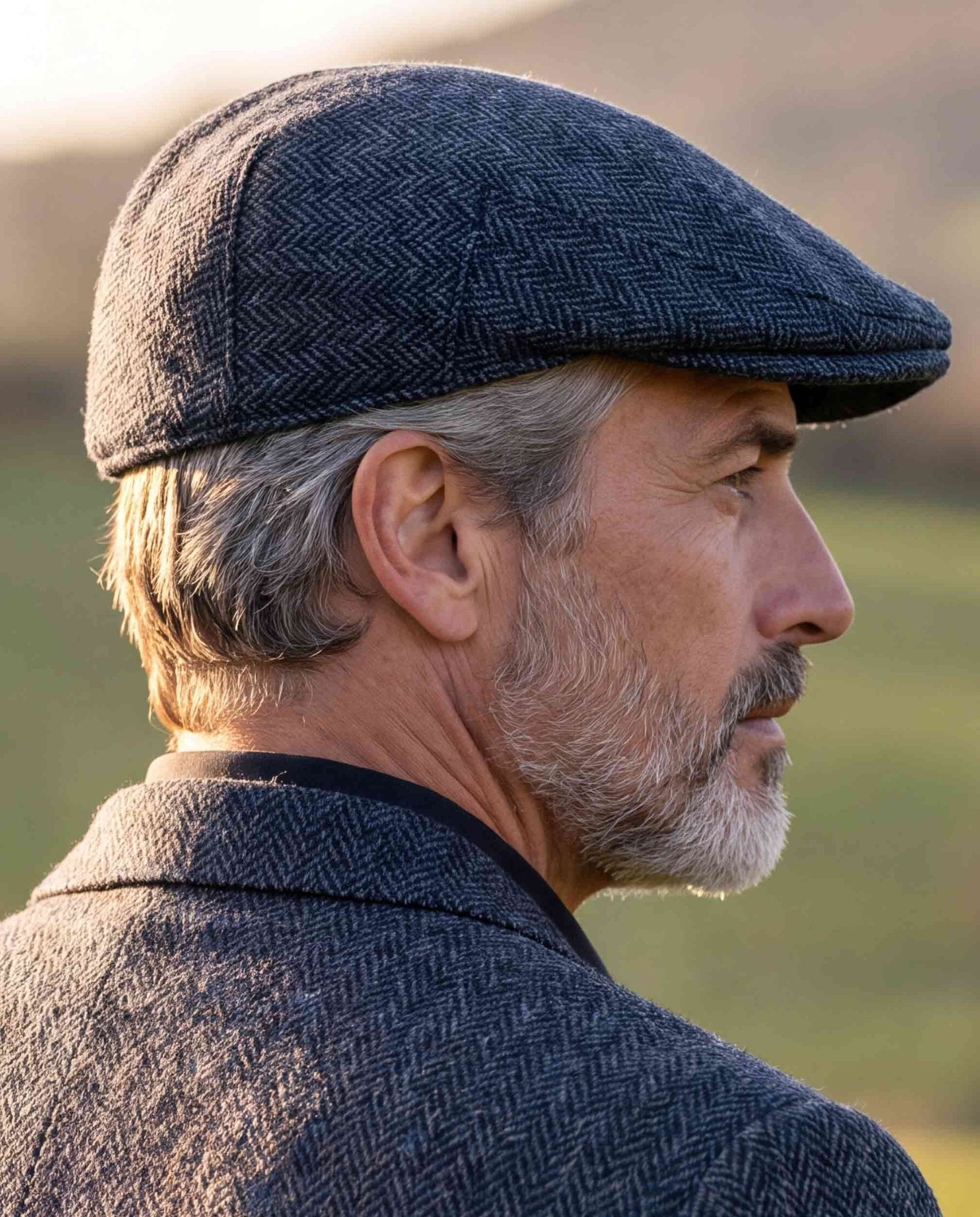
The material determines the character and intended use of a flat cap. For the cooler season, Harris Tweed is the classic choice. This hand-woven tweed from the Outer Hebrides is robust and warm, and carries an official certificate of authenticity from the Harris Tweed Authority. A Harris Tweed flat cap develops an individual character over time and remains wearable for many seasons.
Corduroy is another traditional option and gives the flat cap a warm, textured look. Pure new wool is also frequently used and offers good weather protection. For summer and warmer days, lighter materials such as linen and cotton are suitable, for example in the form of a balloon cap. If you are looking for a men's flat cap for summer, these lightweight fabrics are a good choice.
How to recognize a high-quality flat cap
There are clear differences between a simple and a high-quality flat cap. Four points are worth a closer look.
Material
High-quality flat caps are made from natural materials such as Harris Tweed, virgin wool, corduroy, or linen. For Harris Tweed, a sewn-in authenticity label from the Harris Tweed Authority indicates its origin.
Workmanship and lining
Clean seams, a neatly incorporated lining, and a cleanly edged brim speak for careful manufacturing. A lightweight inner lining also increases wearing comfort.
Shape and fit
A good flat cap retains its shape and appears neither too flat nor too voluminous. The transition from the cap to the brim should be smooth.
Brim
The brim should be firm but not stiff, and maintain its shape. A cleanly stitched brim will hold its shape even after prolonged wear.
-
Natural materials such as Harris Tweed, virgin wool, corduroy, or linen
-
For Harris Tweed, a sewn-in authenticity label from the Harris Tweed Authority
-
Clean seams and a neatly incorporated lining
-
A shape-retaining shell with a smooth transition to the brim
-
A firm, shape-retaining, and cleanly stitched brim

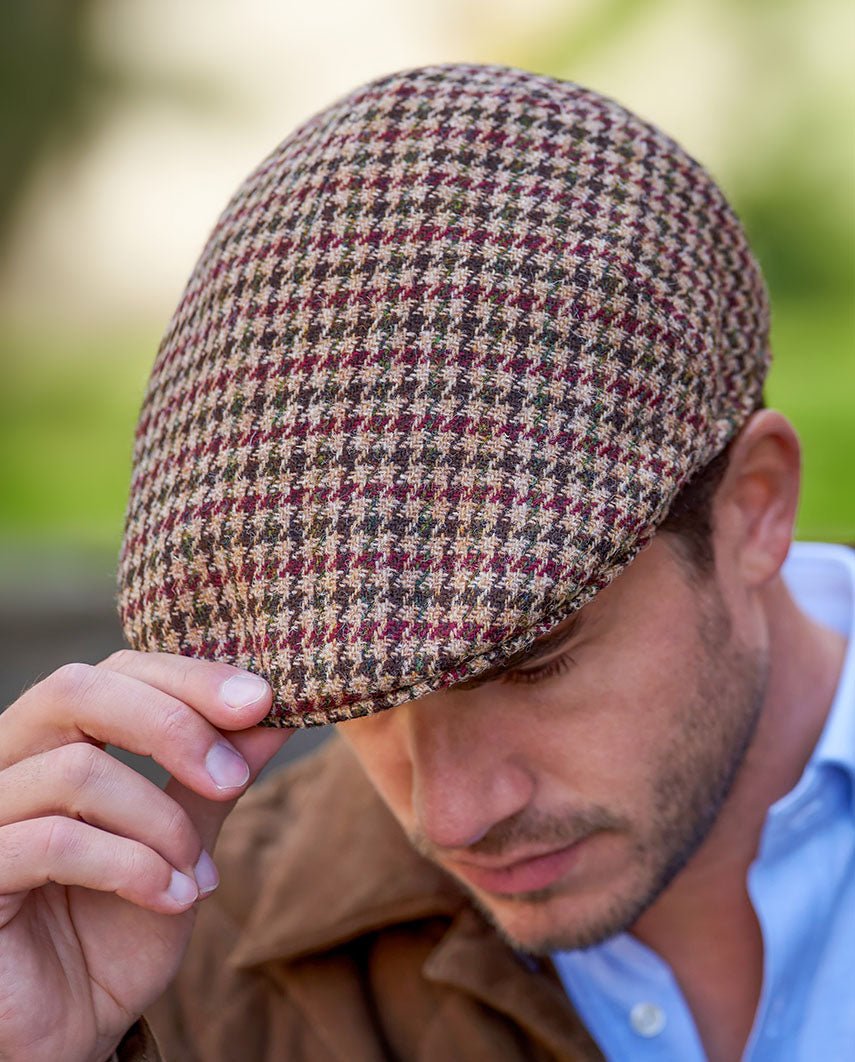
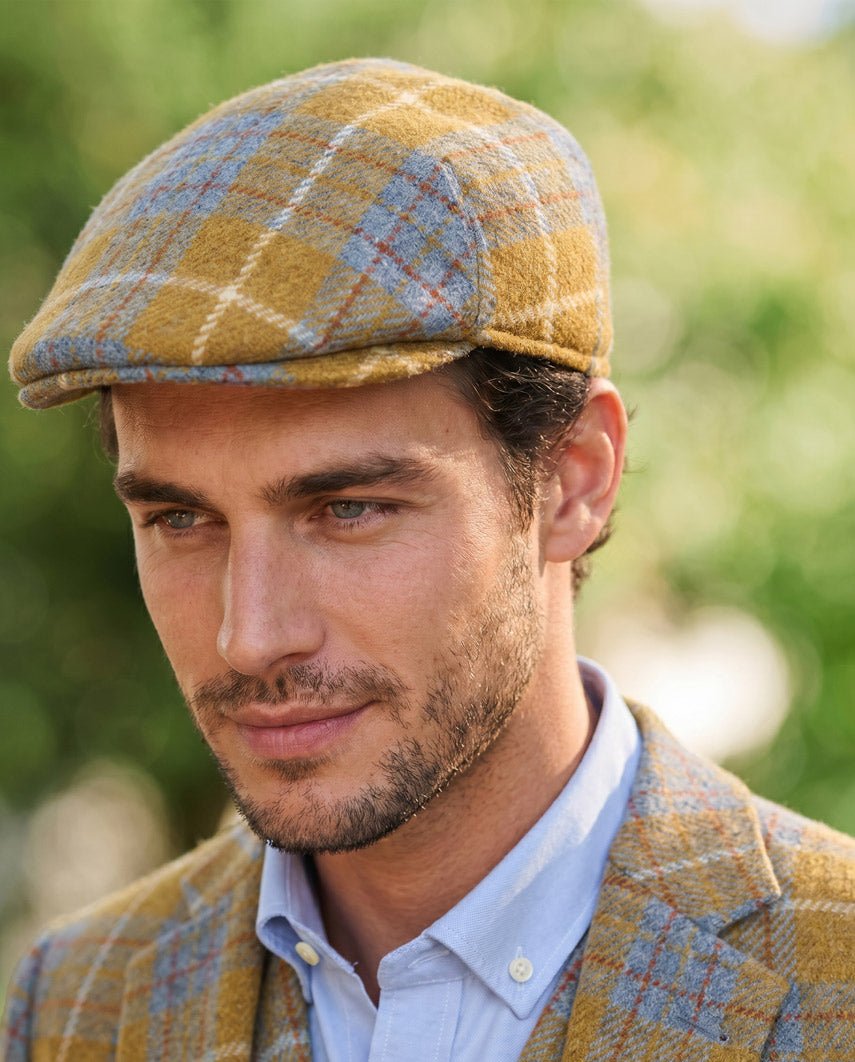
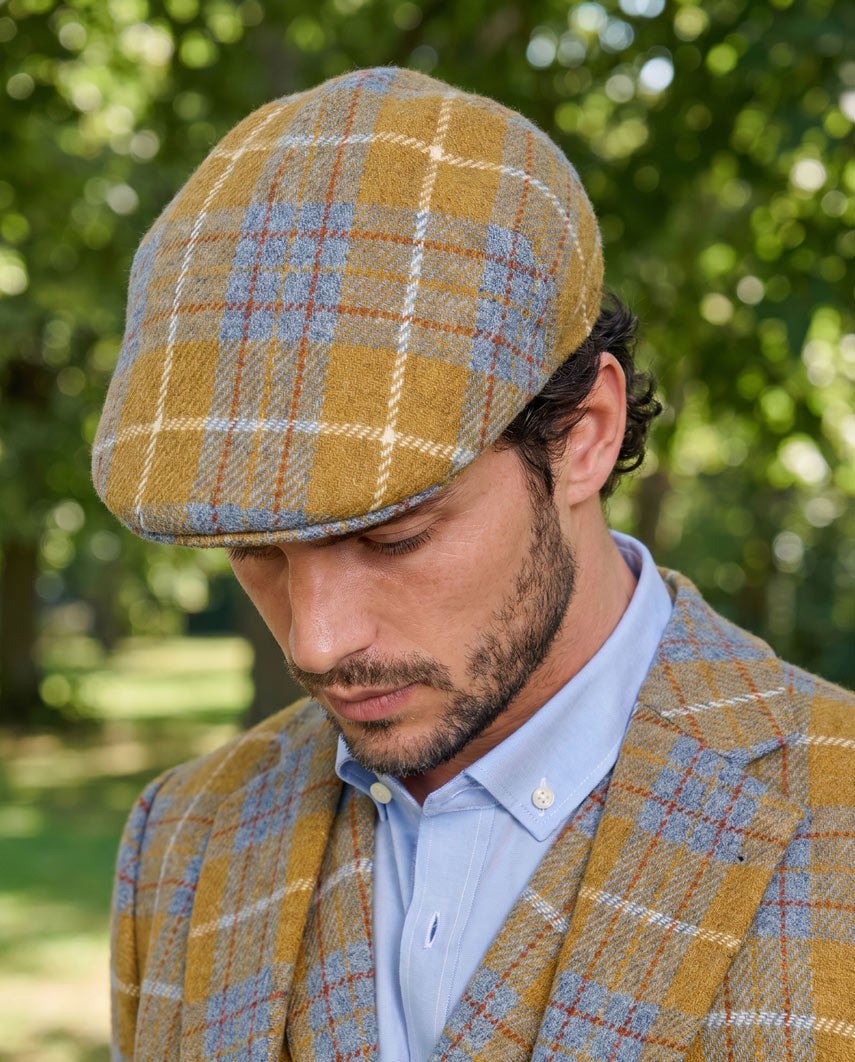
Flat Cap "Henry Cap" made from original Harris Tweed in amber check
Expert tip: Briefly squeeze the flat cap and release it. A high-quality cap will quickly regain its shape. Also, check the inner lining for clean seams, as this is where the quality of workmanship is particularly evident.
Finding the right flat cap size: Step by step
For the fit of a flat cap, the head circumference is crucial. Follow these four steps to find the right size.
Prepare tape measure. Use a soft tape measure. If none is available, a string that you can then measure with a ruler will help.
Measure head circumference. Place the tape measure around your head, about one centimeter above your ears and across the middle of your forehead.
Match value. Transfer the measured value in centimeters to the size chart. Many flat caps come in graded sizes, others follow a centimeter division.
Check fit. The cap should fit snugly all around without pinching, and remain secure even when moving. When in doubt, the smaller of two sizes is usually more suitable, as the material tends to stretch slightly over time.
Combining flat caps for men and women
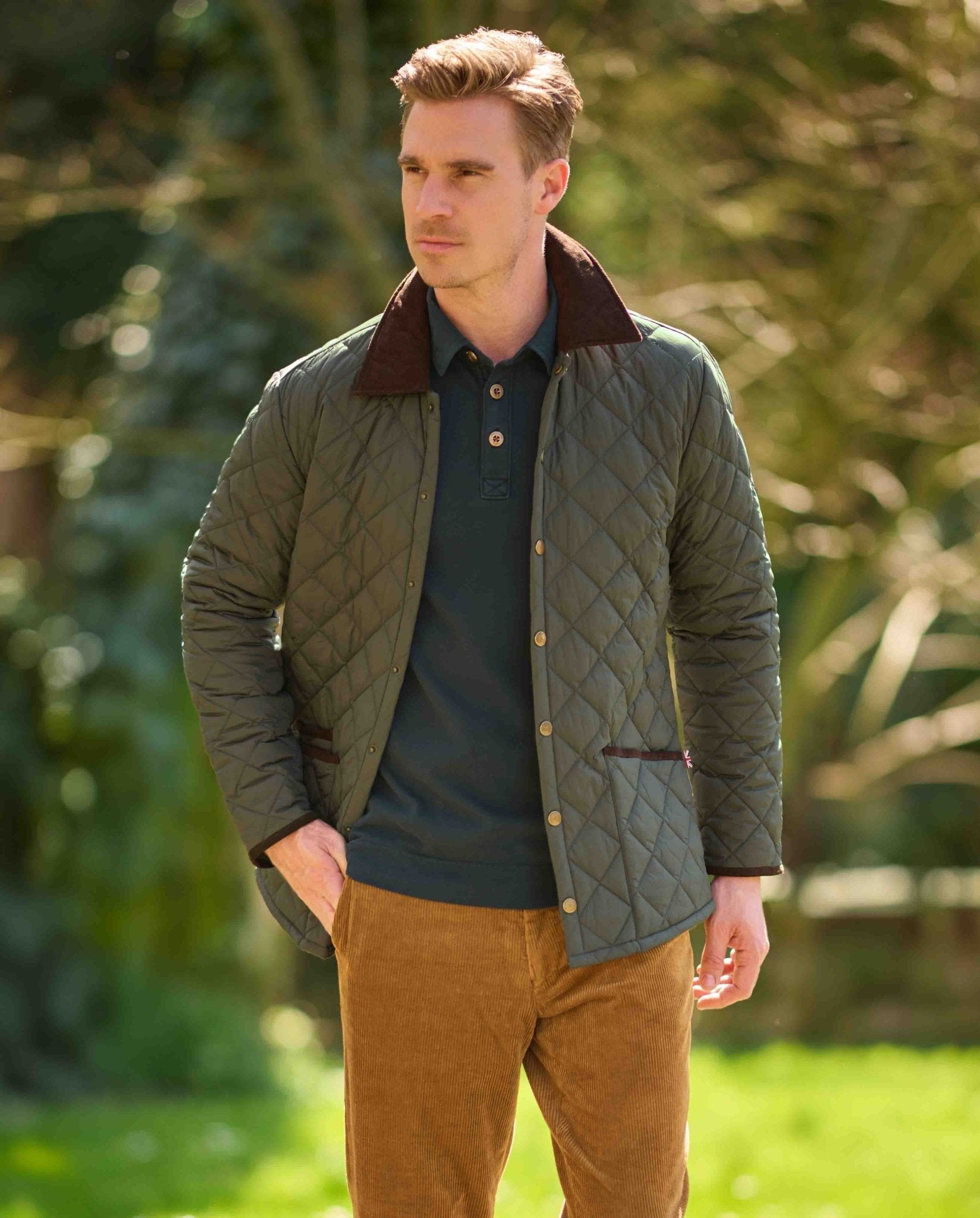
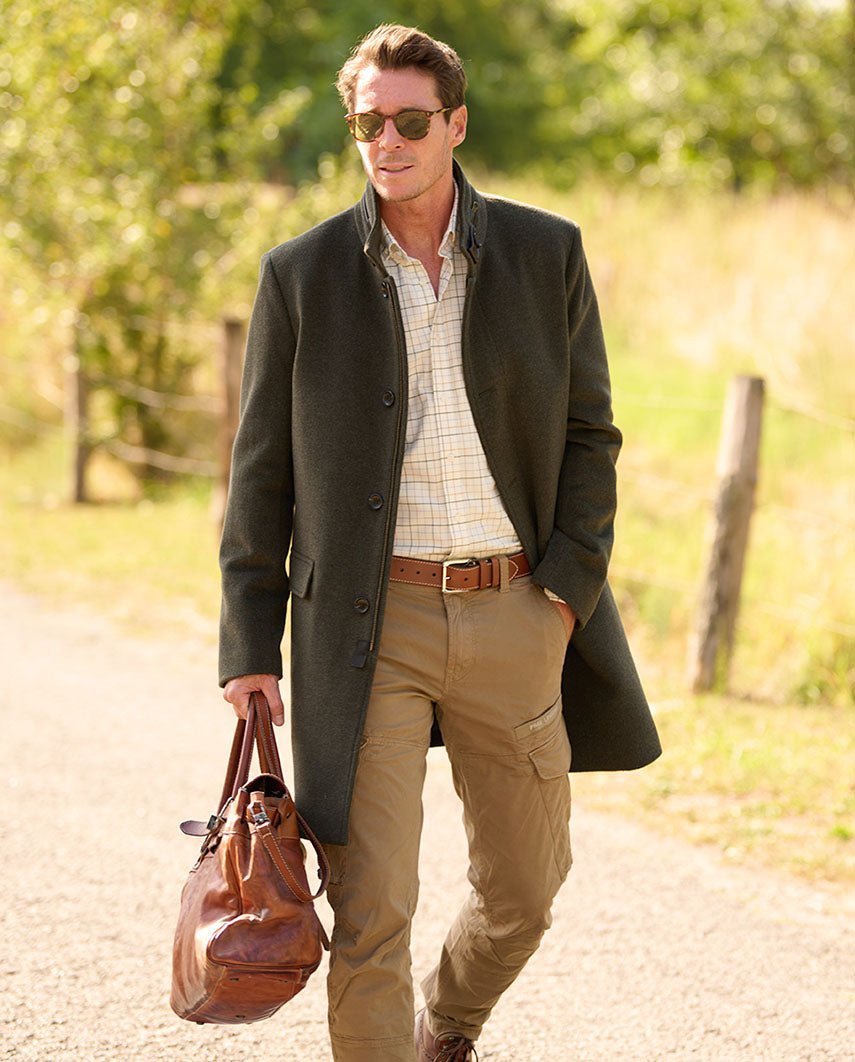
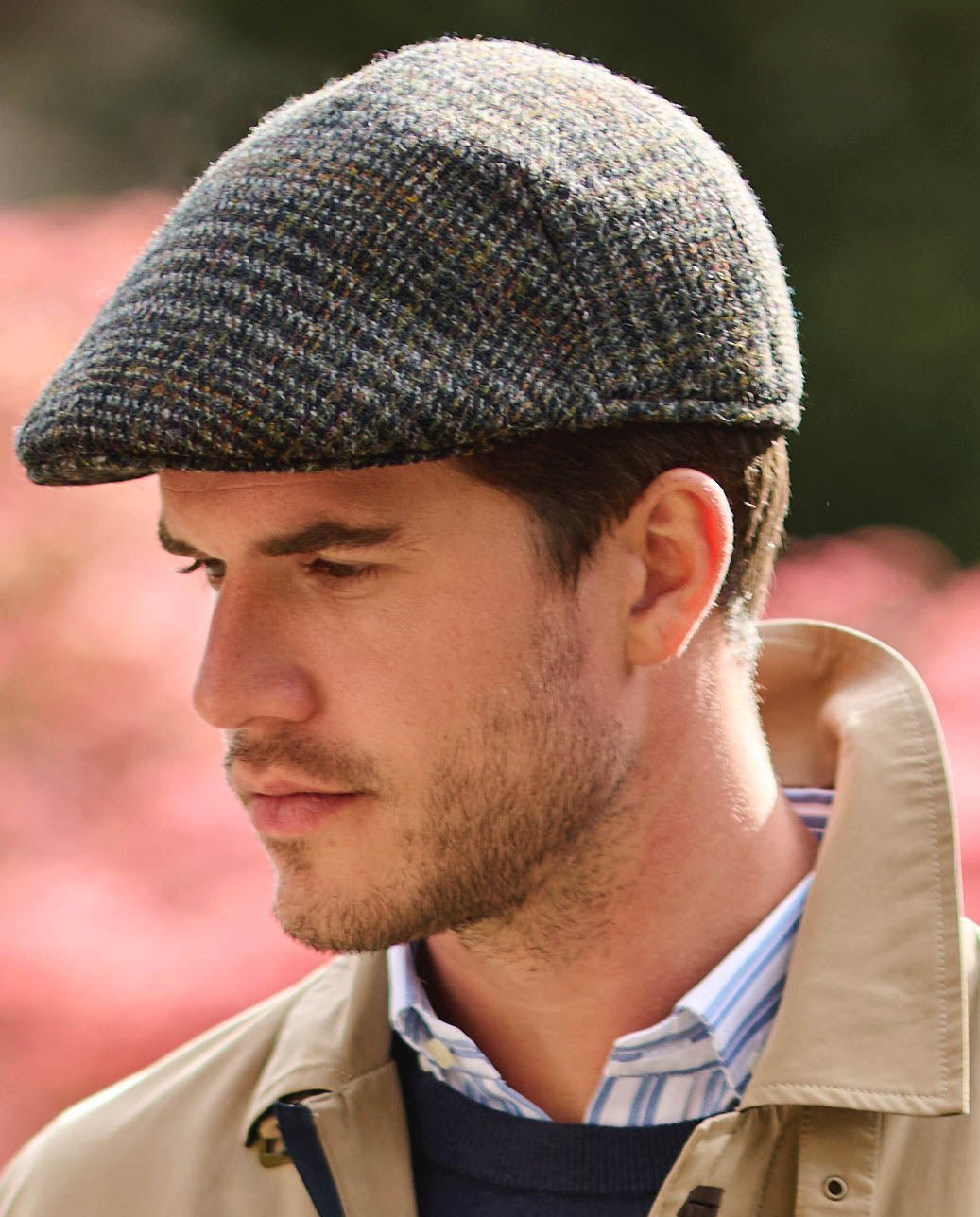
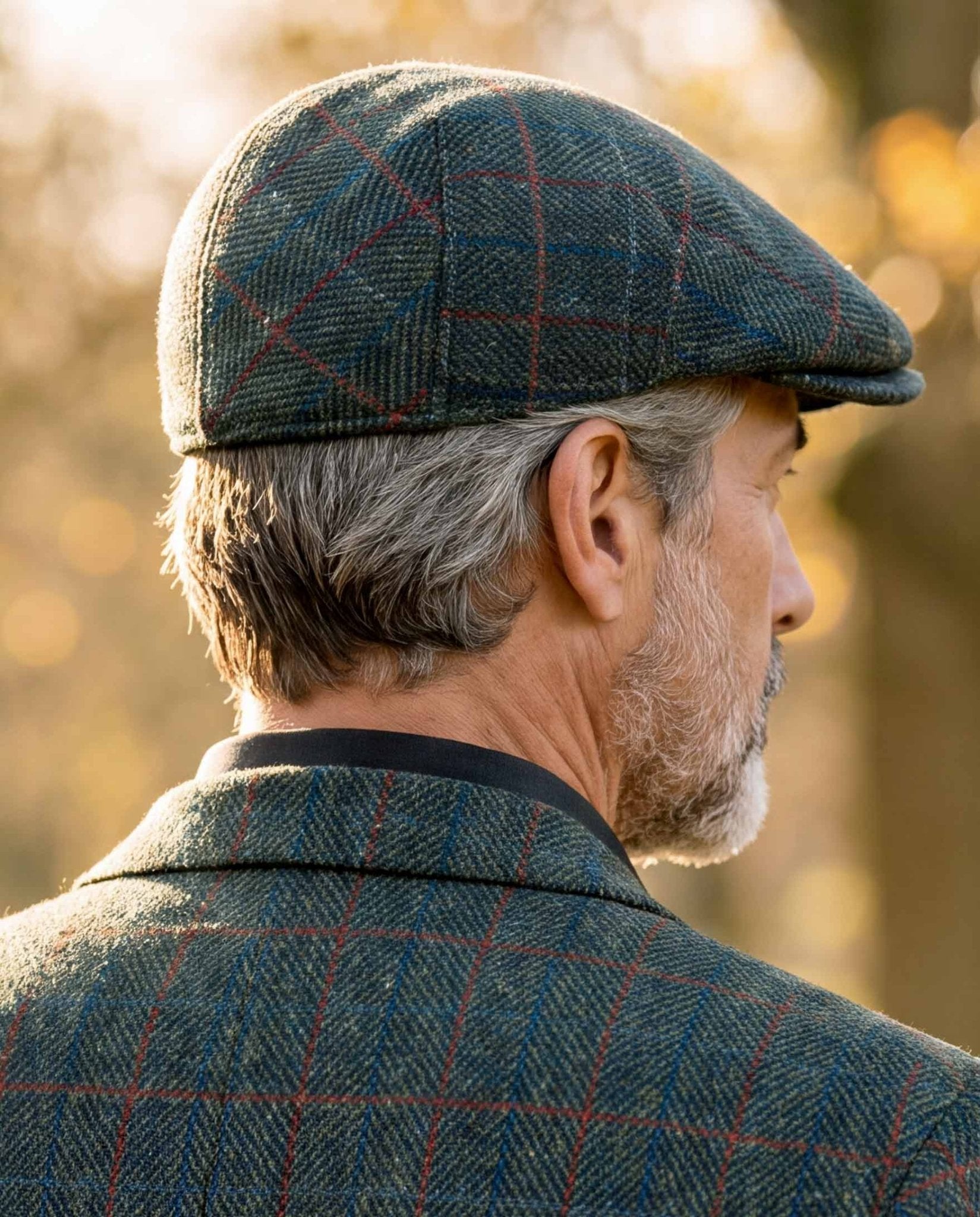
The flat cap is a versatile accessory for both men and women. For men, the classic combination is with a tweed jacket, as well as wearing it with a waxed jacket or a wool coat. This creates a harmonious country look where the material and color palette relate to each other.
As a flat cap for women, it is also a subtle, valuable addition, for example, to a wool coat or a tweed blazer. Suitable models can be found in the women's collection made of Harris Tweed. In both cases, muted natural tones such as olive, brown, navy, and camel blend harmoniously. Contrasts are best created subtly through the material's texture rather than striking colors.
Flat Cap by Wellington of Bilmore
Wellington of Bilmore offers flat caps with a focus on original Harris Tweed, combining British material heritage with careful craftsmanship. In addition to classic tweed models, the assortment also includes lighter balloon caps for the warmer season. The models are designed for longevity and fit into a wardrobe that values quality and durability.
Frequently asked questions about the flat cap
What is a flat cap?+
A flat cap is a flat head covering with a short brim and a soft shell. It originates from Great Britain and is known in English as a flat cap.
What is the difference between a "Schiebermütze" and a flat cap?+
There is no substantive difference. Flat Cap is the English term for "Schiebermütze"; both terms refer to the same type of cap.
How do I measure my cap size?+
Place a soft tape measure around your head, about one centimeter above your ears and across the middle of your forehead. Your head circumference in centimeters is the basis for choosing your size.
What head shape suits a flat cap?+
The flat cap suits many head shapes. The fit can be controlled by the size and the depth at which the cap is worn.
What material should a flat cap be made of?+
For autumn and winter, Harris Tweed, corduroy, and virgin wool are suitable. For summer, lighter materials such as linen and cotton are more comfortable.
How do I wear a flat cap with a tweed jacket?+
Coordinate the color palette of your cap and jacket, sticking to muted natural tones. A Harris Tweed flat cap complements a tweed jacket particularly well.
Which flat cap is suitable for summer?+
For warm days, flat caps made of linen or cotton are recommended, such as a balloon cap, as they are airier and sit more comfortably on the head.