
Key takeaways
Smooth Leather and Suede: What Distinguishes Leather Types
Four factors determine how a type of leather feels, looks, and can be used: the animal species, the tanning process, the surface finish, and whether the grain side or the flesh side is processed as the exterior. All the following information refers to garment leather for jackets, vests, and coats, not shoe or furniture leather.
The animal species defines the basic properties. Lambskin is particularly soft, light, and supple. Goatskin has a characteristic grain, is very tear-resistant, and lightweight. Cowhide is denser, heavier, and very durable. Deer and calf leather are processed less frequently and are generally higher priced.
Tanning determines how the leather ages over time. Chrome tanning is currently the industrial standard and results in soft, vibrant leather. The more traditional vegetable tanning (vegetable-tanned) develops a distinct patina, is heavier, and less common in apparel.
The surface finish differentiates between smooth leather and suede. Smooth leather displays the grain side, which is the original exterior of the hide, giving the leather its smooth appearance; Nappa leather and nubuck leather fall into this category. For suede, either the grain side is lightly buffed (nubuck) or the flesh side, the interior of the hide, is roughened and turned outwards (classic suede or deerskin).
Nappa Leather and Lamb Nappa
Nappa leather is smooth leather that shows its original grain side and is processed either unaltered or only lightly pigmented. The name originates from California's Napa Valley, where the method was developed in the 19th century. Nappa leather is now the standard for soft, smooth leather apparel. It is supple to the touch, has a subtle sheen, and takes dye well.
Lamb nappa is the variant made from lambskin and is considered particularly fine apparel leather. It is significantly lighter and softer than cow nappa and feels very comfortable against the skin. Classic applications include high-quality leather jackets, blousons, and women's coats. Due to its softness, lamb nappa is more susceptible to sharp edges and friction than coarser leathers and requires regular care with leather balm.
A related variant is goat nappa, which is the smooth processing of goatskin. It combines the smooth appearance of nappa with the characteristic goat grain and the high tear resistance of goatskin.

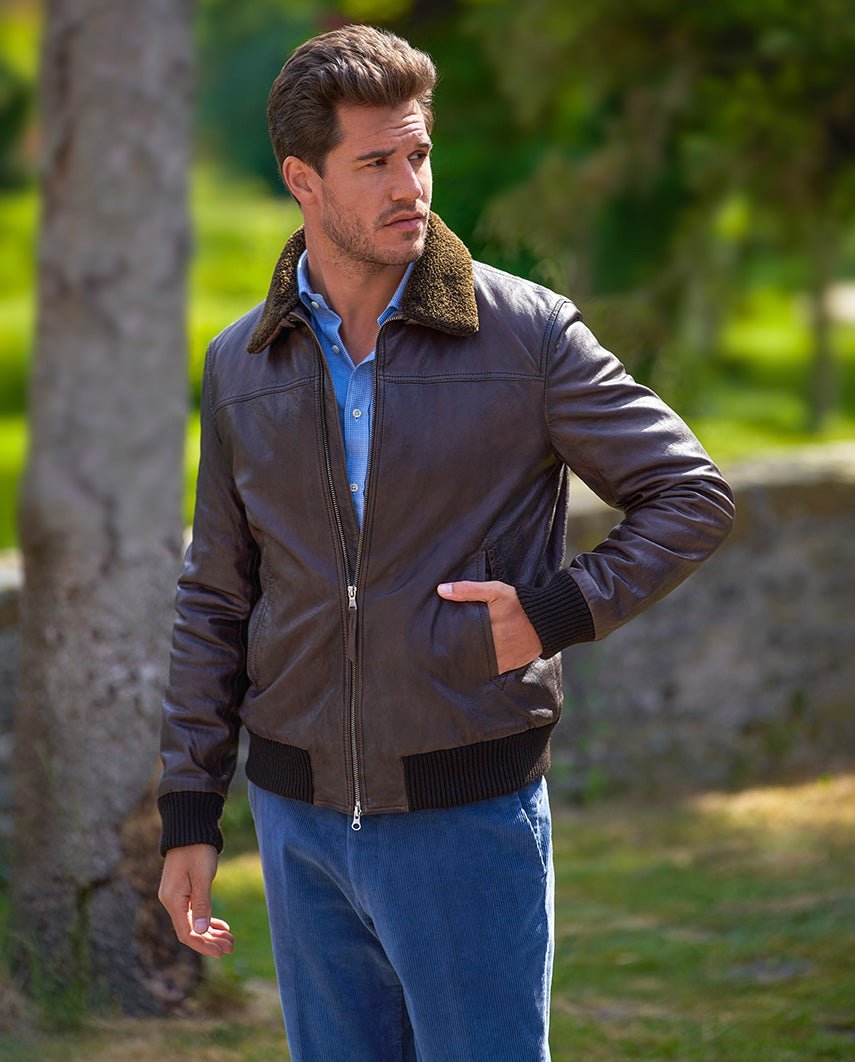
Men's Leather Jacket "Belen" - Lamb Nappa Pilot Jacket in Brown
Nubuck Leather and Lamb Nubuck
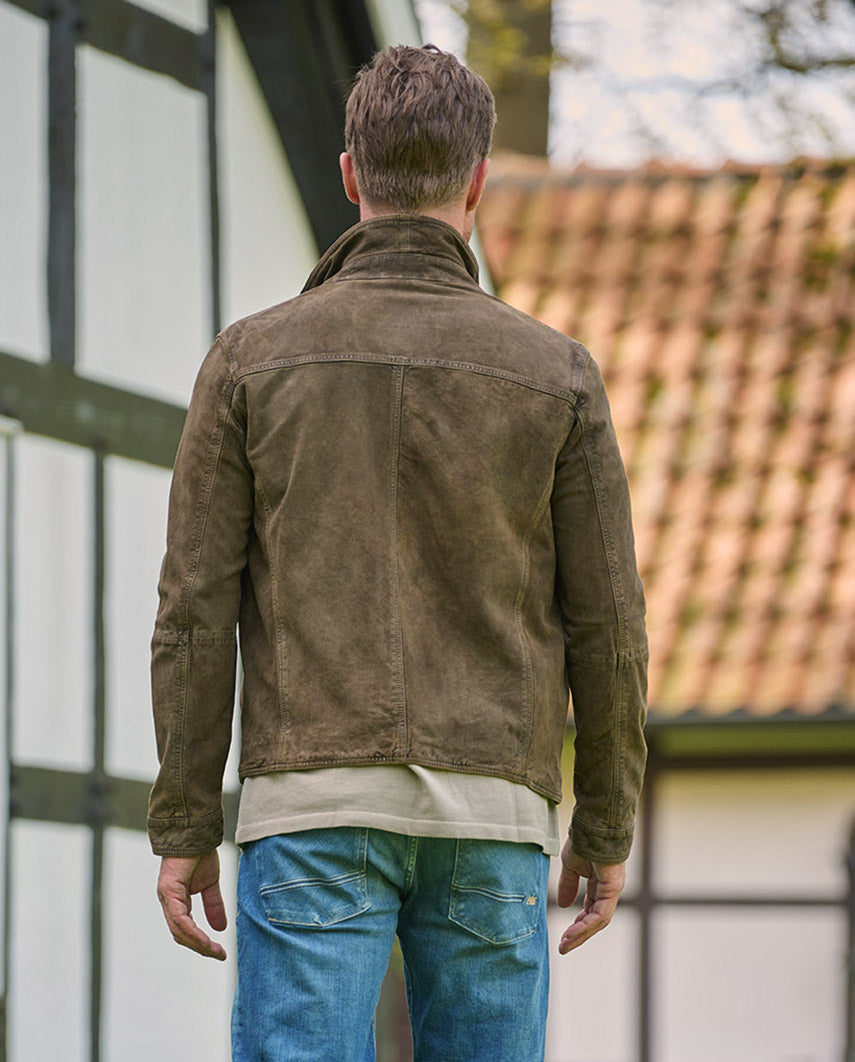
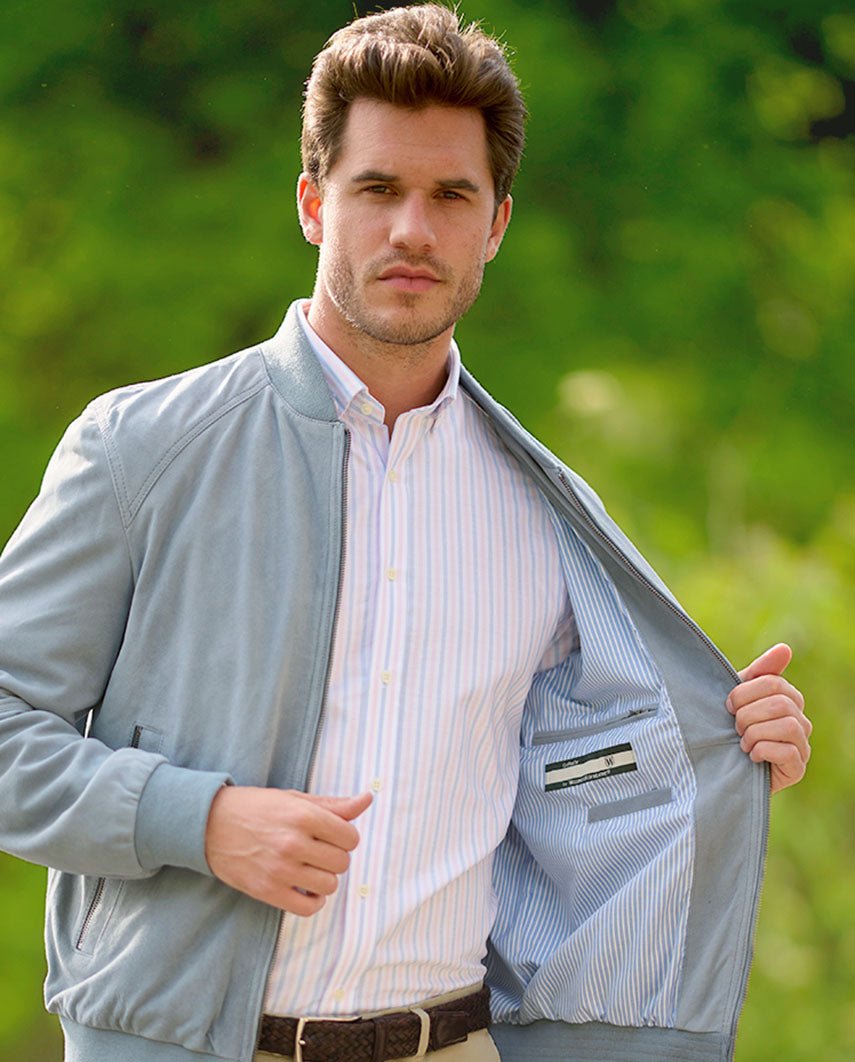
Nubuck leather is smooth leather where the grain side has been lightly buffed. The result is a velvety surface with a very short nap, visually positioned between smooth leather and suede. It feels soft and warm, with a subtly matte appearance. Important for distinction: Nubuck is buffed on the grain side, while classic suede or deerskin is buffed on the flesh side.
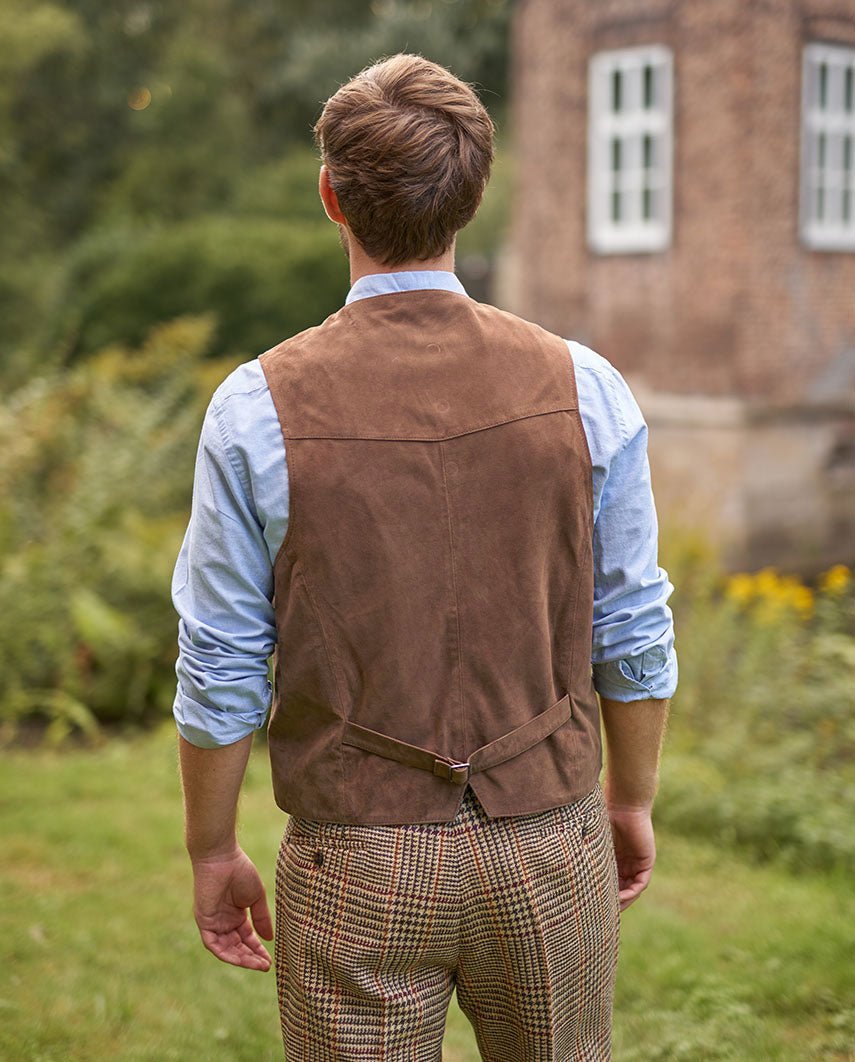
In apparel, nubuck is frequently used for high-quality jackets, vests, and leather shirts. Lamb nubuck is the finest variant, combining the lightness of lambskin with the velvety feel of nubuck. The short nap is sensitive to touch: water, grease, and friction leave marks more quickly than on nappa, which is why impregnation and gentle care are more important.
Note on terminological confusion: The search term "nubuck leather" is often used in connection with shoes or furniture. This guide exclusively discusses nubuck in apparel, i.e., as an outer material for jackets, vests, and coats.

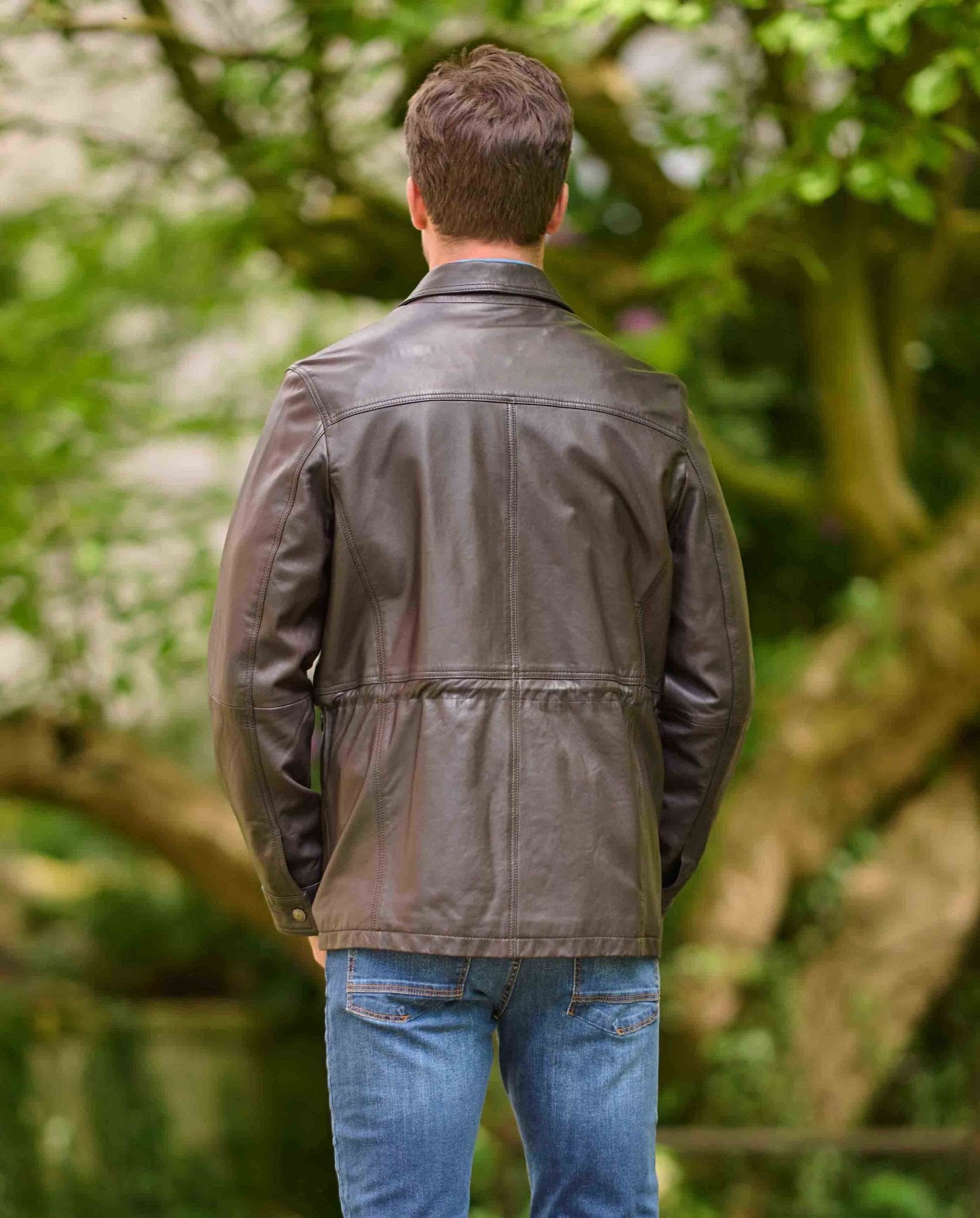
Pilot Leather Jacket "Pilot II" made of Lamb Nubuck for Men in Brown
Suede Leather and Goat Suede
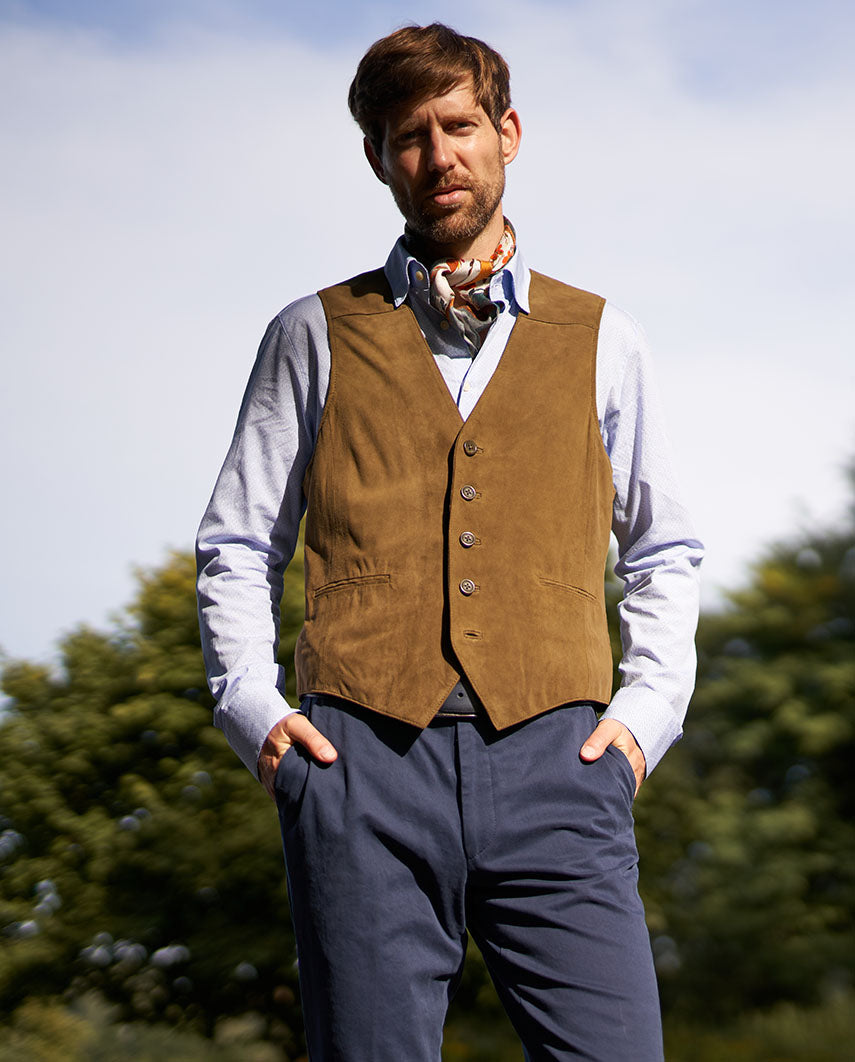
Suede leather, also colloquially known as wild leather, is leather with a roughened flesh side. The nap is noticeably longer and coarser than nubuck, and the appearance is matte and rough. Suede leather has an understated and masculine appeal, is robust, and develops a distinct patina. In classic country apparel, it is one of the most traditional materials available.
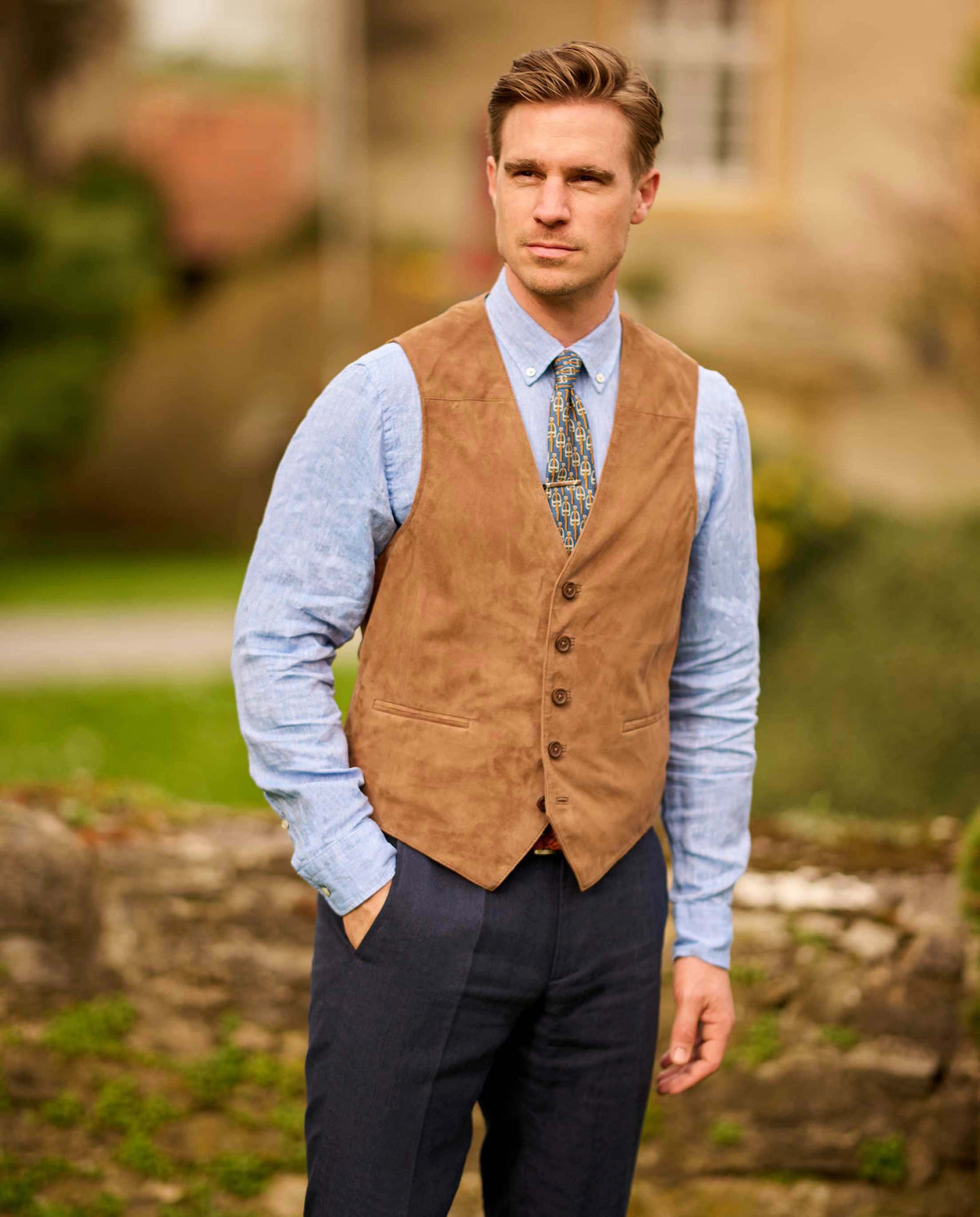
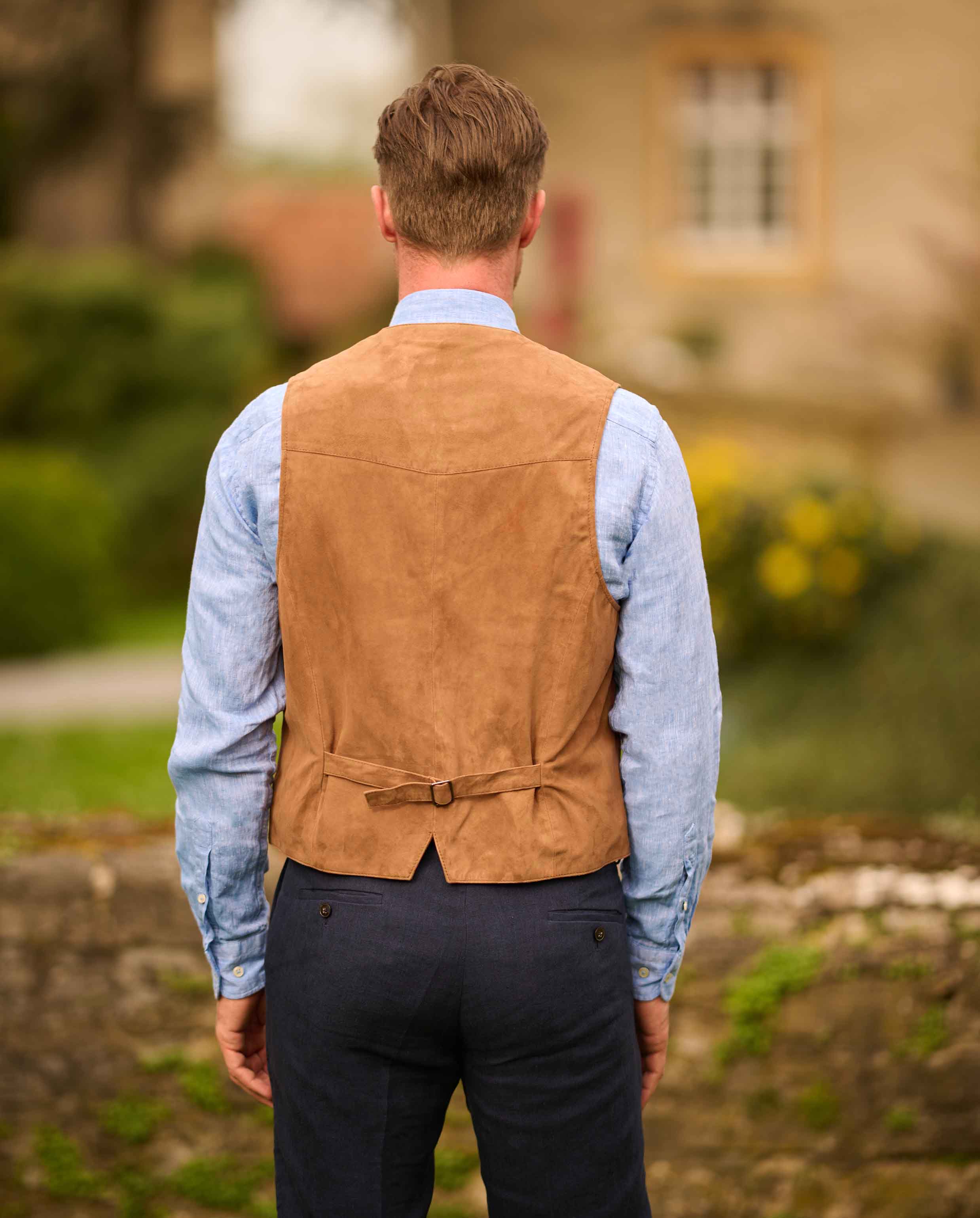
Goat suede is the variant of suede leather made from goatskin. Goatskin possesses two special properties: it is exceptionally tear-resistant despite its low weight, and it retains its characteristic grain even after roughening. The result is a light, soft, yet very durable material. Classic applications include vests, country jackets, and complementary apparel pieces where a matte, subdued appearance is desired.
For further classification: Split leather is leather that has been split into several layers, and its quality is significantly below full-grain leather. It is occasionally offered as a cheaper alternative to suede, but it achieves neither the tear resistance nor the lifespan of a full-grain goat suede or classic wild leather made from cowhide or deerskin.

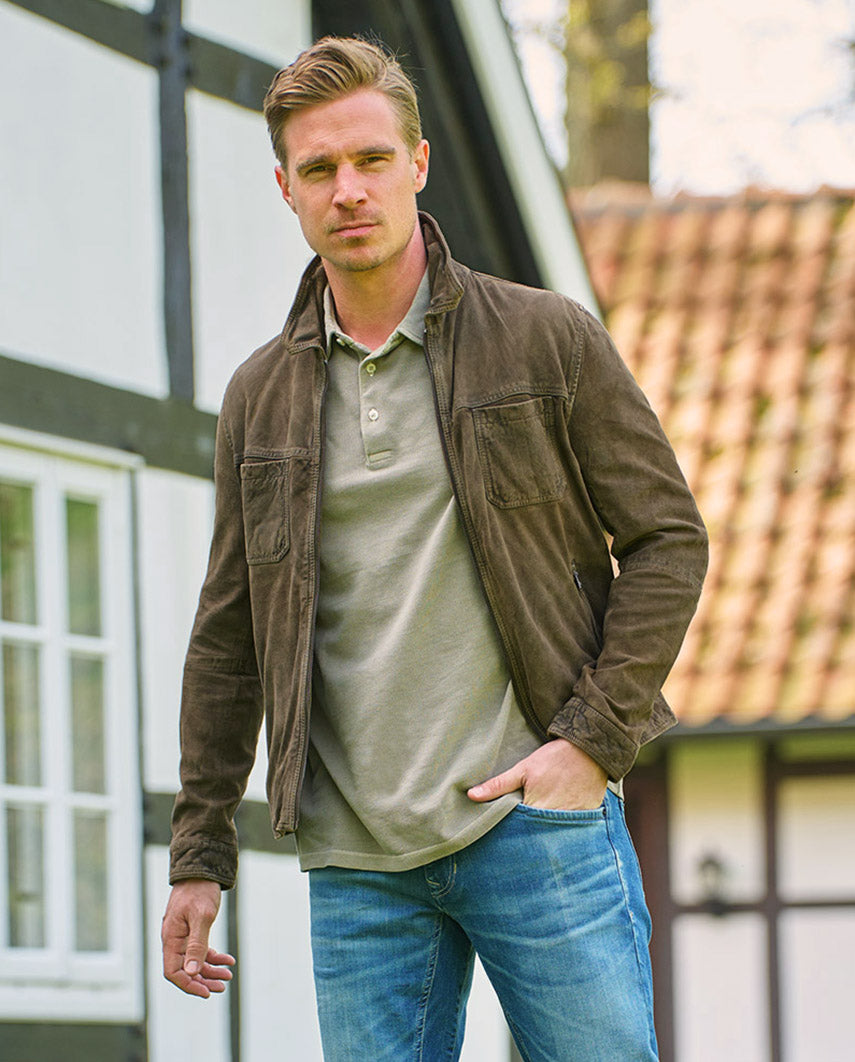
Women's Leather Jacket "Hazel Love" made of velvety goat suede
Leather Types in Direct Comparison
The following table compares the most important leather types. It is intended as a quick overview; the individual sections above contain detailed descriptions.
Which Leather for Leather Jacket, Leather Vest, and Leather Coat
The right type of leather depends on the garment, the desired look, and how often it will be worn. A quick overview of the most important categories.
The classic leather jacket thrives on a soft, supple feel, and for this, lamb nappa is the obvious material: light, flexible, and with a patina that becomes more beautiful over the years. At Wellington of Bilmore, this leather is found in the men's lambskin collection, from sporty-cut jackets to blousons.
For those who prefer a more understated look, nubuck or lamb nubuck is the choice. The velvety-matte surface appears more subtle than shiny nappa and integrates well into an elevated urban look. The trade-off is a bit more care, as nubuck reacts more sensitively to moisture and requires a special brush and waterproofing.
For a country-style leather vest, goat suede is the traditional choice. It is lightweight, has a matte character, and withstands frequent wear for years. The men's goat suede vest particularly demonstrates this combination of low weight and high durability.
A leather coat should protect and hold its shape. Therefore, heavier leathers are used here, such as cow nappa or vegetable-tanned smooth leather, which are more dimensionally stable and better withstand wind and cool weather than soft lamb leathers. Such models are available as men's leather coats and women's leather coats.
Two cases are worth a closer look. The biker style, the asymmetrical jacket with a sturdy stand-up collar and distinctive zippers, appears supple in smooth lamb nappa and a bit more rugged in cow nappa; both are available as men's biker leather jackets and women's biker leather jackets. For women's leather jackets, the length also determines the character of the outfit: short cuts create a modern, waist-emphasizing accent, while longer models appear more elegant and coat-like.
And for the colder season, it's worth considering warmer variants, such as lined leather jackets or models with fur details.
Leather Fashion at Wellington of Bilmore
Wellington of Bilmore uses selected natural materials in its leather range: lamb nappa, lamb nubuck, and goat velour. These leather qualities combine suppleness, a warm feel, and an elegant look with the longevity for which the house has been known since 1899. The collection includes leather jackets, blousons, vests, and coats for men and women in classic heritage cuts.
Frequently asked questions about types of leather
What types of leather are there?+
The most important types of leather in clothing are nappa leather (smooth leather with an unaltered grain side), nubuck leather (smooth leather with a sanded grain side), velour leather or suede (leather with a roughened flesh side), and goat leather (characteristically grained, very tear-resistant). Within these groups, lamb nappa, lamb nubuck, and goat velour are particularly high-quality variations. Other leathers are used outside of clothing, such as heavier cowhides for furniture or special shoe leathers.
What is nappa leather?+
Nappa leather is a smooth, full-grain leather whose grain side is processed unaltered. It is soft, supple, and has a finely glossy surface. The name dates back to California's Napa Valley. Classic applications include leather jackets, coats, and gloves. Lamb nappa is the particularly soft and light variant made from lambskin.
What is nubuck leather?+
Nubuck leather is smooth leather whose grain side has been lightly sanded. The result is a velvety-fine surface with a very short nap and a matte appearance. Unlike classic velour leather, with nubuck, the grain side is on top, not the flesh side. Lamb nubuck is the particularly soft variant made from lambskin. In clothing, nubuck is used for elegant jackets and vests.
What is velour leather?+
Velour leather is genuine leather with a roughened flesh side and is also colloquially known as suede. The nap is matte and rough, significantly longer and coarser than with nubuck. Velour leather is robust, develops a distinct patina, and is one of the most traditional materials in country clothing. It is often made from cowhide, goatskin, or deerskin; the goat variant is called goat velour.
What is smooth leather?+
Smooth leather is leather where the grain side, i.e., the original outer side of the hide, remains visible and gives the material its smooth appearance. Smooth leathers include nappa leather and nubuck leather. The opposite is velour leather, where the flesh side is roughened and turned outwards. Smooth leather is generally easier to care for than velour or nubuck leather.
What is the difference between nappa and nubuck?+
Nappa leather is smooth leather with an unaltered grain side, finely glossy and supple. Nubuck leather is smooth leather with a lightly sanded grain side, velvety-fine, and matte. Both are smooth leathers, but they differ in appearance and feel: nappa is smooth and glossy, nubuck is velvety and matte. Nappa is easier to care for, while nubuck requires a special brush and impregnation spray.
What is goat velour?+
Goat velour is velour leather made from goatskin. The flesh side is roughened and processed as the outer side. Despite its light weight, goat leather is exceptionally tear-resistant and retains its characteristic grain even after roughening. The material is light, robust, and matte in character. Classic applications include vests and country jackets.
Is velour leather genuine leather?+
Yes, velour leather is genuine leather. It is created by roughening the flesh side of an animal hide and processing it as the outer side. Unlike smooth leather, where the grain side remains visible, with velour leather, you see the inner leather fibers. The material is often made from cowhide, goatskin, or deerskin. Synthetic imitations are referred to as microfiber or velour leather imitation and must be declared accordingly.
Which leather is of the highest quality?+
Quality depends on the intended use. Lamb nappa and lamb nubuck are considered particularly fine leathers in clothing because they are soft, light, and delicate in appearance. Goat velour is the most robust variant while remaining lightweight. Full-grain leather is generally of higher quality than split leather because it retains the original fiber structure of the hide. The combination of animal species, tanning, and processing is always crucial.
Which leather is suitable for jackets?+
For classic leather jackets, lamb nappa is the most common choice: soft, light, supple, and with a long tradition of wear. Those who prefer a slightly more understated look opt for lamb nubuck. For country jackets or more robust models, velour leather and goat velour are the typical materials. Leather coats are often made from slightly heavier cow nappa because they require more shape stability and protection.