
Key takeaways
Why a Wax Jacket Needs Special Care
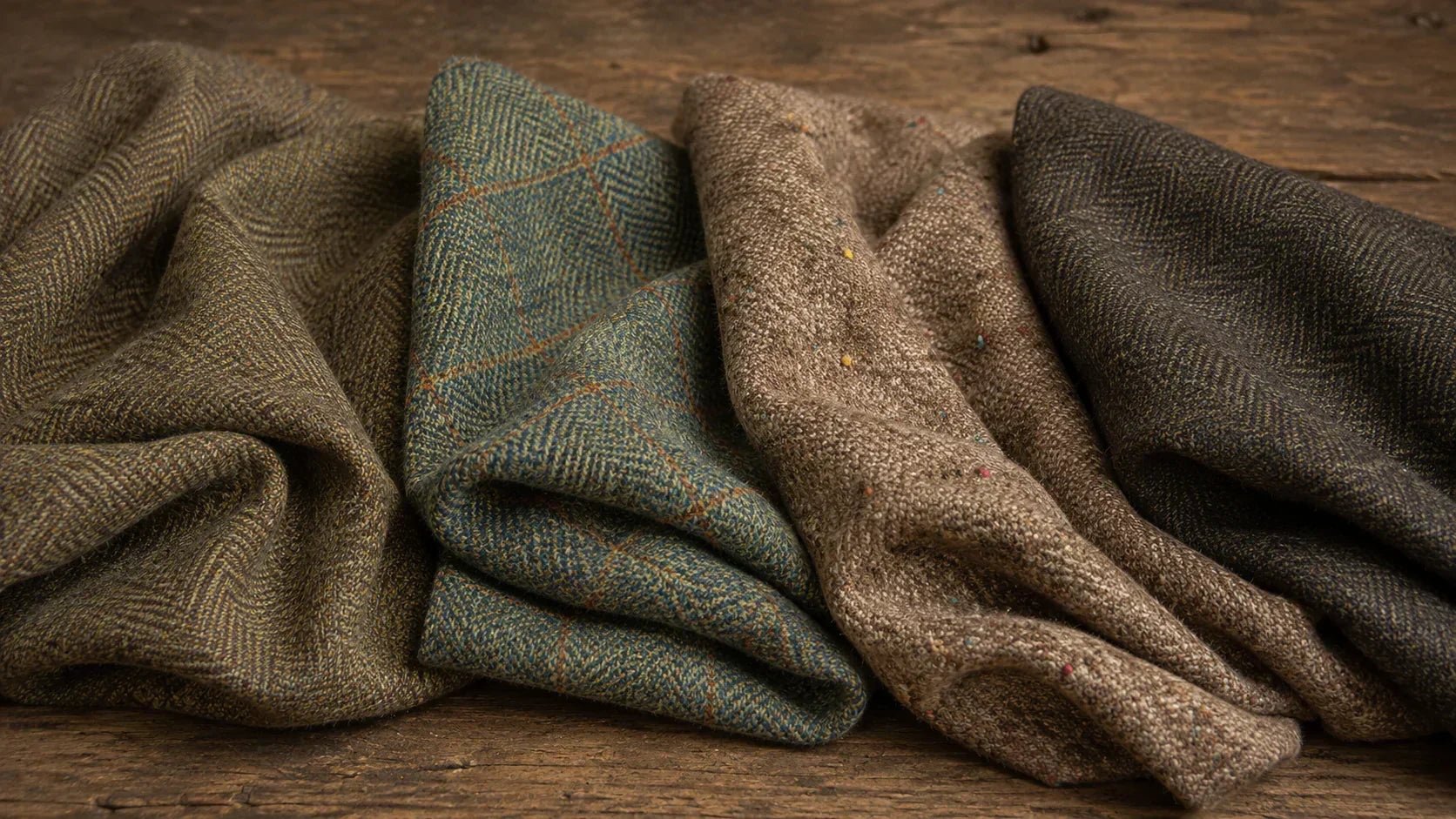
A classic wax jacket is made from waxed cotton. This material is a tightly woven cotton that is impregnated with a wax mixture of paraffin and beeswax after weaving. This wax layer makes the fabric water-repellent, windproof, and breathable. It is the jacket's primary function and also its most delicate component.
The world's leading supplier of waxed cotton fabric is Halley Stevensons from Dundee, Scotland. Halley Stevensons supplies most traditional British brands such as Barbour, Belstaff, and Burberry, as well as German heritage brands, including Wellington of Bilmore. If you buy an original English or Scottish wax jacket, you are typically buying this Scottish outer fabric, regardless of where the finished jacket was manufactured.
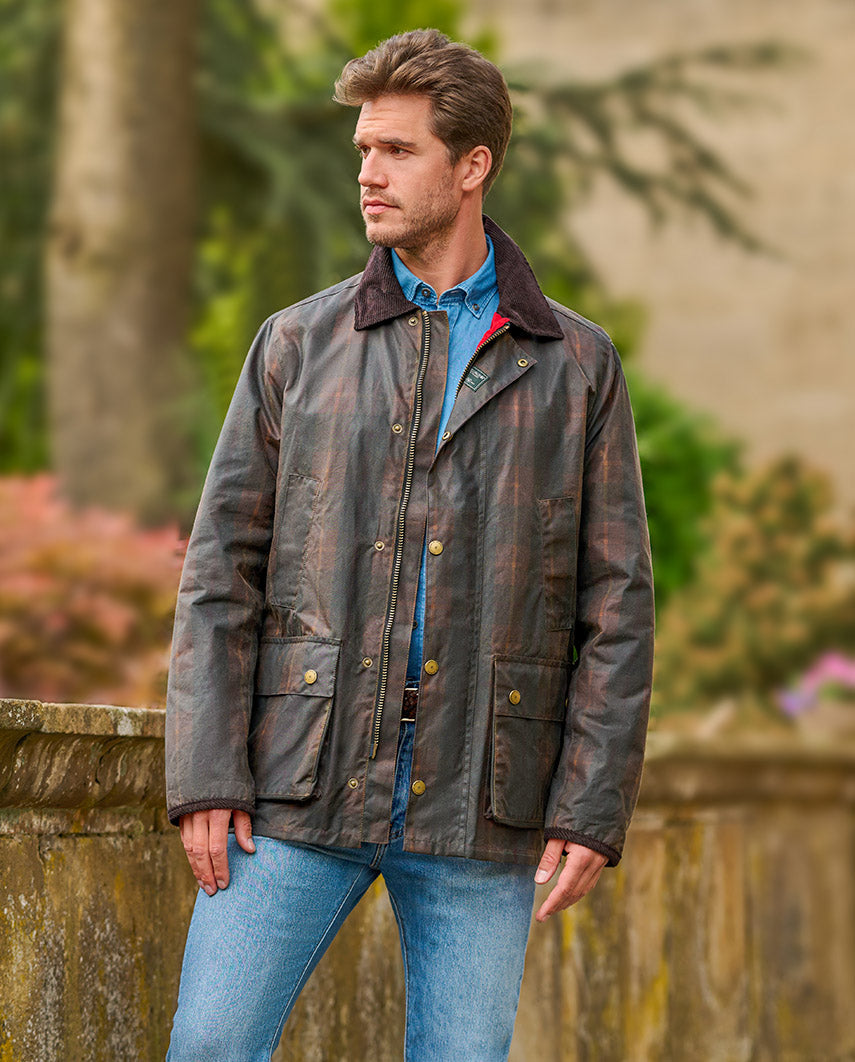
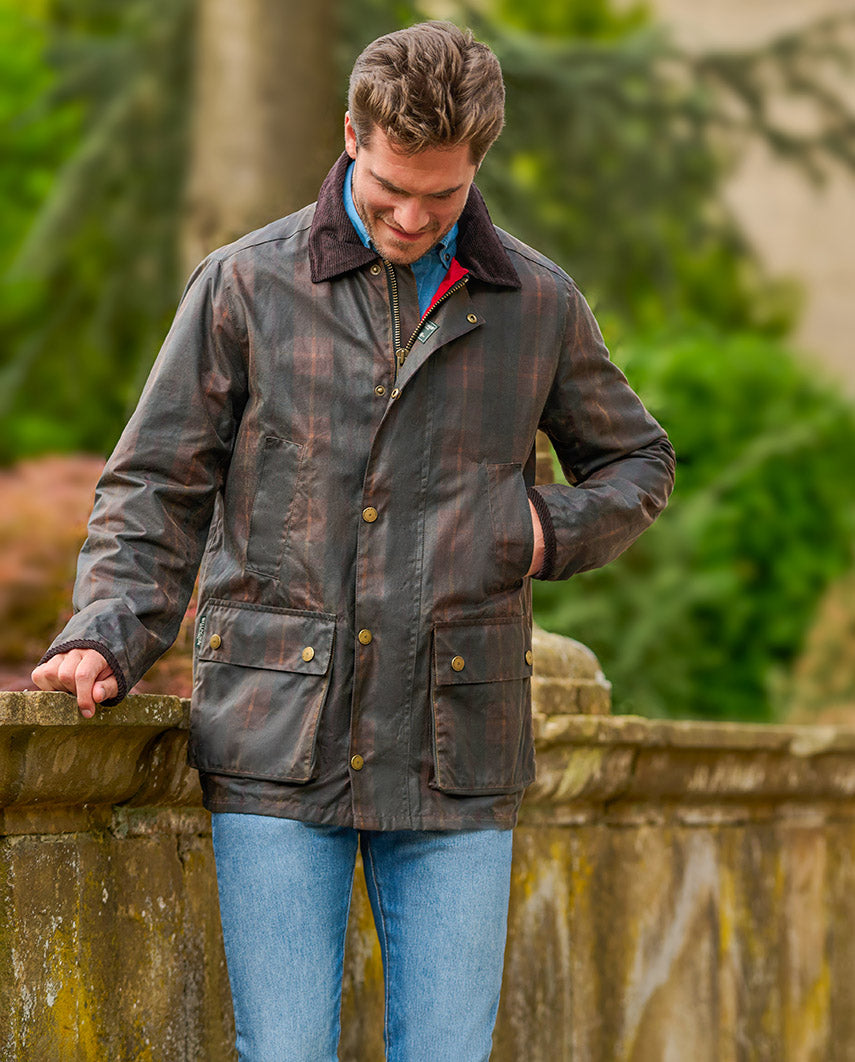
With every wear, every rain shower, and every cleaning, the jacket loses a small part of its wax layer. Areas that are particularly stressed, such as shoulders, elbows, and the lower hem, lighten over time and develop the characteristic patina. This patina is intended and is one of the reasons why wax jackets gain character over decades. However, the weather protection diminishes. Therefore, caring for a wax jacket primarily means maintaining or renewing the wax layer.
Cleaning a Wax Jacket Without Losing Wax
For routine cleaning, you only need cold water, a soft sponge or brush, and a clean cloth. Avoid warm or hot water, dish soap, soap, and harsh brushes. Detergents, stain removers, and solvents directly attack the wax and must not be used under any circumstances.
Step by step: Hang the jacket on a sturdy hanger. First, dry-wipe coarse dirt with a clothes brush, following the grain of the fabric. Then moisten the sponge with cold water and carefully work on stubborn areas, always with the thread, never across it. Dab the surface with a clean cloth and let the jacket dry completely in a cool, well-ventilated place. Not in direct sunlight, not on a heater, and not in a dryer.
Can You Wash a Wax Jacket?
No, a wax jacket should not be put in a washing machine or dry-cleaned. Detergents, heat, and mechanical stress dissolve the wax layer from the cotton. The jacket loses its weather protection, the fabric becomes hard or stained, and its function can only be restored through extensive rewaxing. The same applies to solvents and stain removers: they directly attack the wax. Even a gentle cycle without detergent is not suitable.
The correct method is mechanical cleaning with cold water, as described in the previous section. It removes dirt, dust, and salt stains without dissolving the wax. For very heavy soiling, professional wax jacket cleaning is the better choice. More on this in the section below about having your wax jacket cleaned.
Waxing a Wax Jacket: Six-Step Guide
You typically renew the wax layer every one to two seasons, depending on frequency of wear and weather conditions. This process, rewaxing the jacket, is the central care step for any waxed cotton jacket. Signs of the right time include reduced water repellency, lightened areas on shoulders and sleeves, and an overall dulling of the fabric. Wax is available as a solid wax in a tin or as a spray wax (wax spray). Both options work; spray wax is usually easier to apply for home use. Both options are equally suitable as wax for wax jackets.
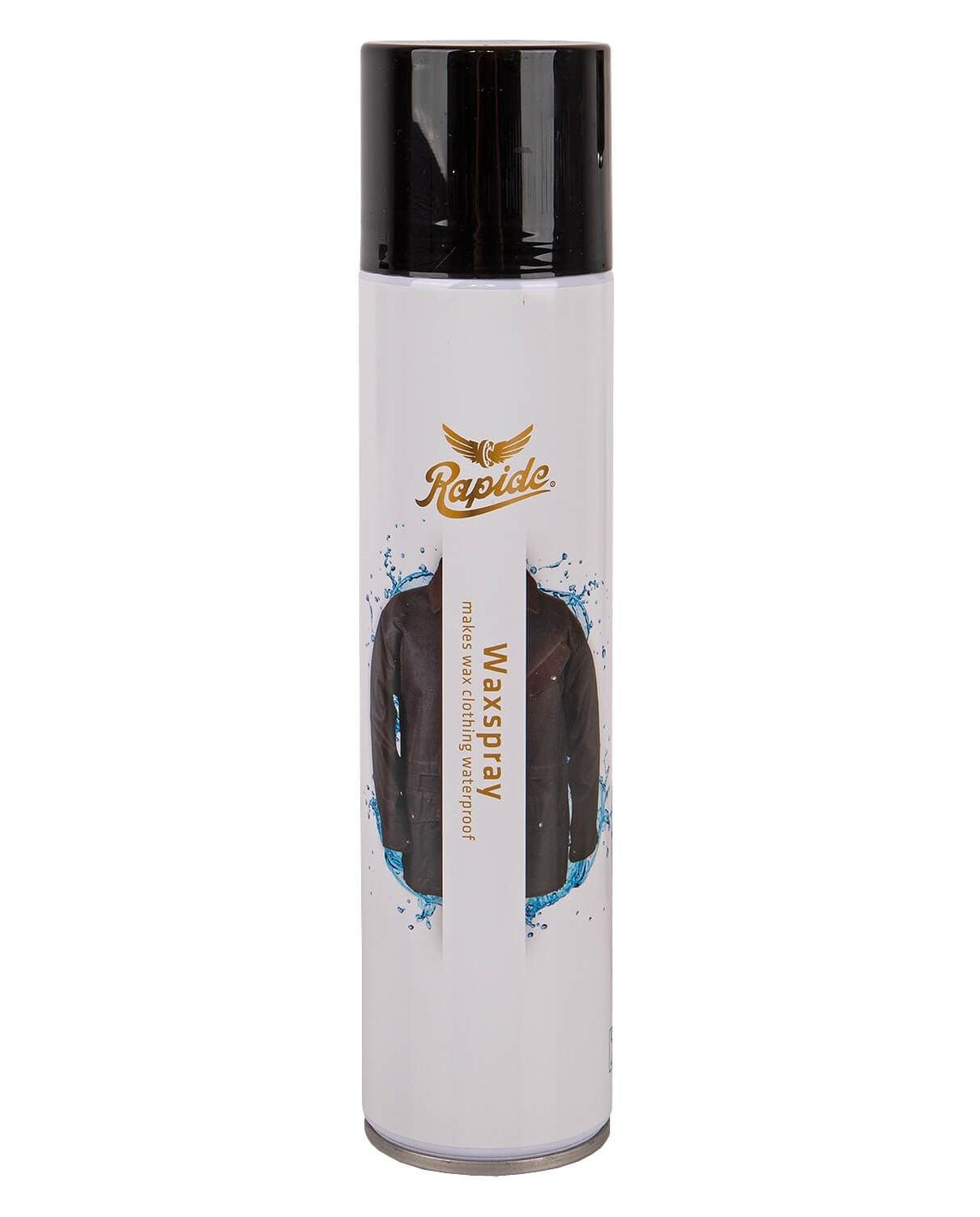
Wellington of Bilmore offers its own Waxspray in its range, specifically tailored for rewaxing wax jackets. Alternatively, classic Barbour wax (Barbour Wax) in a tin or spray is widely available and can be used for all common waxed cotton jackets.
Preparation. Clean the jacket as described above with cold water and a soft brush. Let it dry completely. Wax should only be applied to dry, clean fabric.
Pre-warm the wax (for solid tins only). A tin of wax is softened in a water bath at a low temperature until the mass can be easily spread. Spray wax does not require a heating step.
Apply the wax. Spread the wax evenly with a soft cloth or sponge; for spray wax, spray from about 20 centimeters away in thin layers. Work in small sections and always with the fabric grain. Pay special attention to stressed areas such as shoulders, collar, and hem, without overdoing it.
Work it in. Rub the applied wax into the fabric with a dry cloth until it is evenly absorbed into the fibers and no visible wax clumps remain.
Remove excess. Dab off excess wax with a clean cloth. A wax layer that is too thick will stick, attract dust, and change the appearance.
Dry and rest. Hang the jacket in a cool place and let the wax soak in for at least twelve, preferably twenty-four hours, before wearing the jacket again. During this time, the wax will bond evenly with the cotton.
Impregnating a Wax Jacket and Refreshing Weather Protection
"Impregnating a wax jacket" and "waxing a wax jacket" are often used interchangeably but refer to different things. A classic wax jacket is not treated with an impregnation spray for functional clothing, but with real wax. Impregnation sprays based on silicone or fluorocarbon are designed for modern outdoor materials like membranes and are not the right choice for waxed cotton.
If you want to refresh the weather protection of your wax jacket without fully rewaxing it, spray wax is suitable for partial refreshment. You apply the wax spray selectively to stressed areas such as shoulders, elbows, and hem, let it soak in, and remove any excess. A complete rewaxing at longer intervals remains the most sustainable way to preserve value and the most reliable way to restore water repellency.
Having Your Wax Jacket Cleaned: When Professional Service Is Worth It
For very heavy soiling, stubborn odors, or if you don't feel confident rewaxing it yourself, professional wax jacket cleaning is recommended. Some manufacturers and specialized textile cleaners offer cleaning and rewaxing as a service; the jacket is cleaned and rewaxed in one process. Important: If you want to have your wax jacket waxed, you should never choose a traditional dry cleaner, as the solvents used there attack the wax. Make sure to confirm beforehand that the provider has experience with waxed cotton.
What does it cost to have a wax jacket waxed? Depending on the provider and region, prices for cleaning and rewaxing typically range from 60 to 120 Euros. Barbour offers an official repair and rewaxing service in the UK and through selected European partners; for models from Wellington of Bilmore and other brands, specialized textile cleaners provide this service. If you regularly care for your jacket at home and plan for professional rewaxing every two to three years, the costs remain manageable, and the function stays in good condition long-term.
Storing a Wax Jacket and Common Care Mistakes
A wax jacket should be stored hanging, on a sturdy hanger, in a cool, dry room. Not in a plastic bag or a closed suitcase: wax needs air, otherwise it softens and transfers to surrounding fabric. In summer, a breathable cotton garment bag is recommended.
Three common storage mistakes.
Heat. A wax jacket near a heater or in a car in summer sun can lose its shape because the wax softens.
Excessive compression. Wax jackets should not be stored folded in a wardrobe; the wax layer will crack along the fold lines.
Damp storage. A wax jacket that is not completely dry will quickly develop unpleasant odors or mildew in a closed wardrobe.
If your wax jacket feels slightly sticky or develops a musty smell after prolonged storage, hang it outdoors in the shade at moderate temperatures for several hours. If the effect is not resolved afterwards, cleaning followed by rewaxing is the next sensible step.

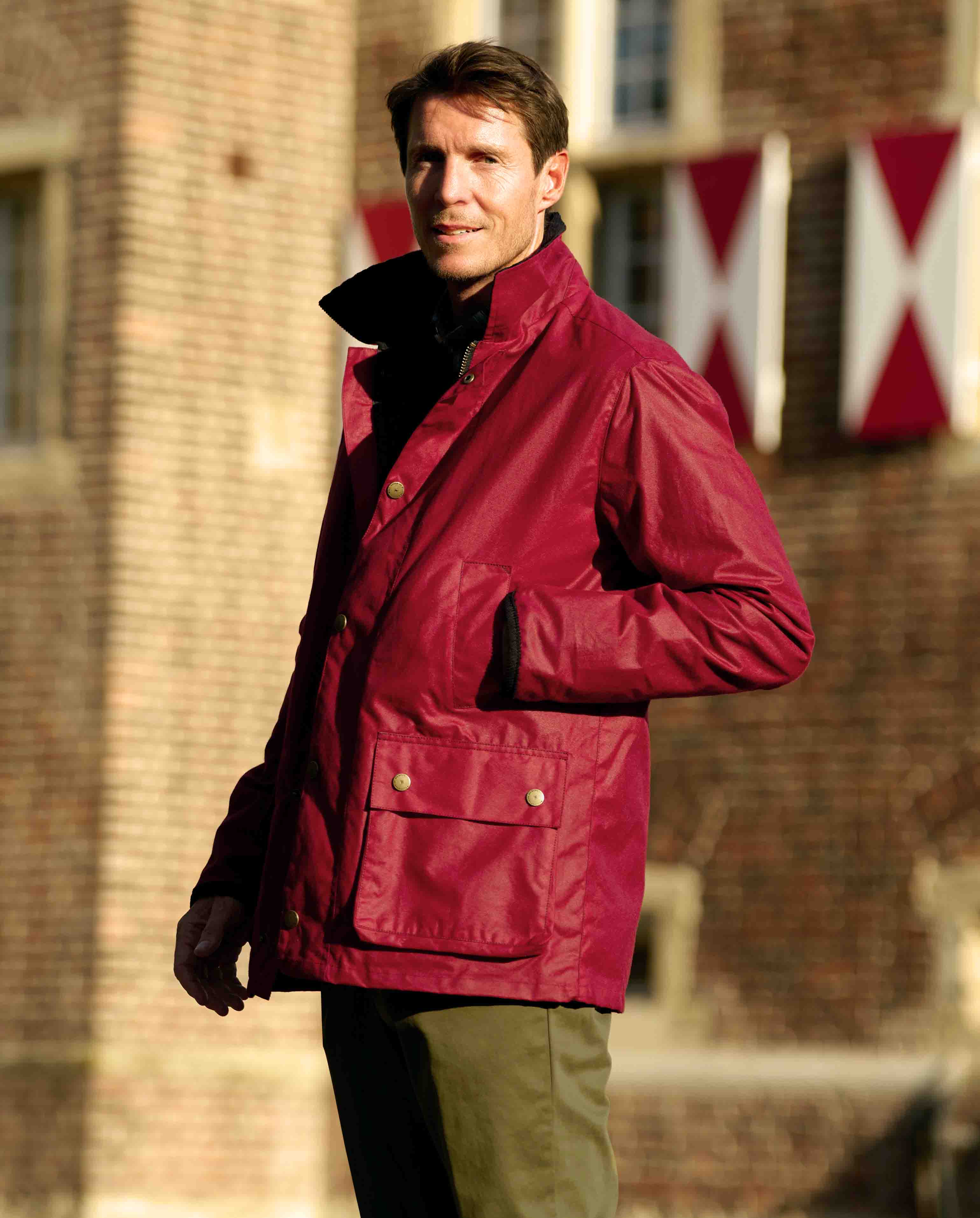
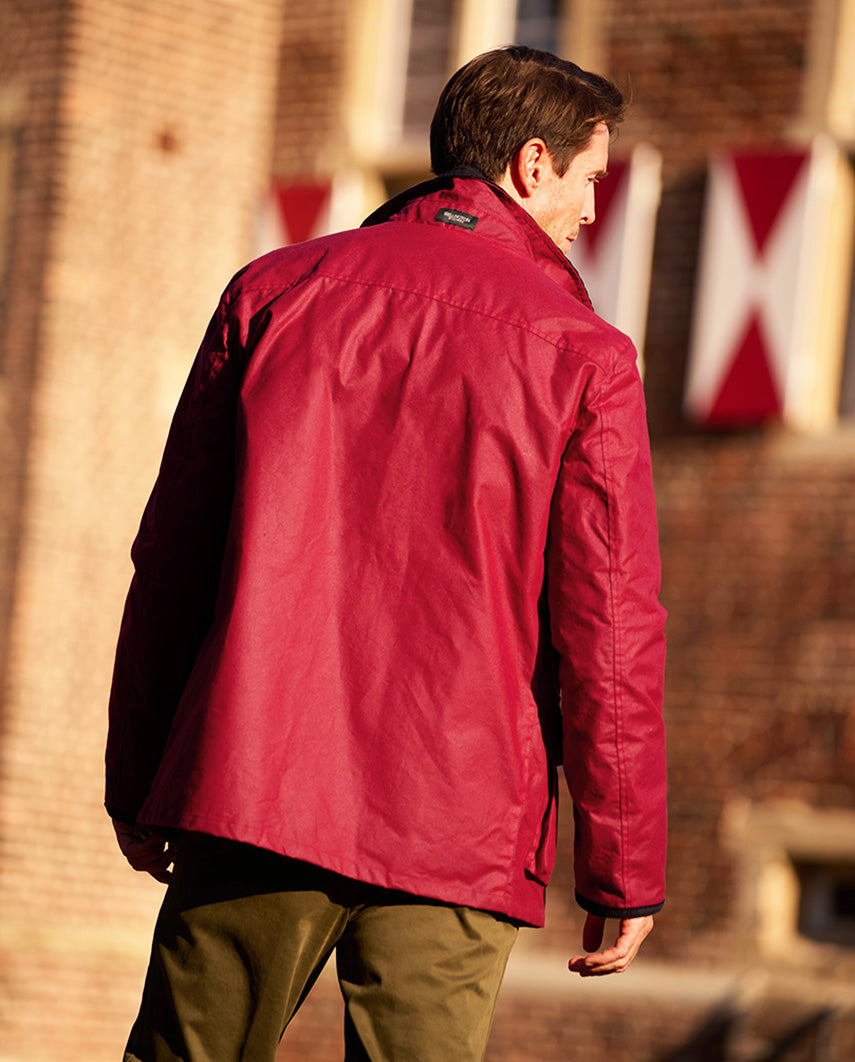
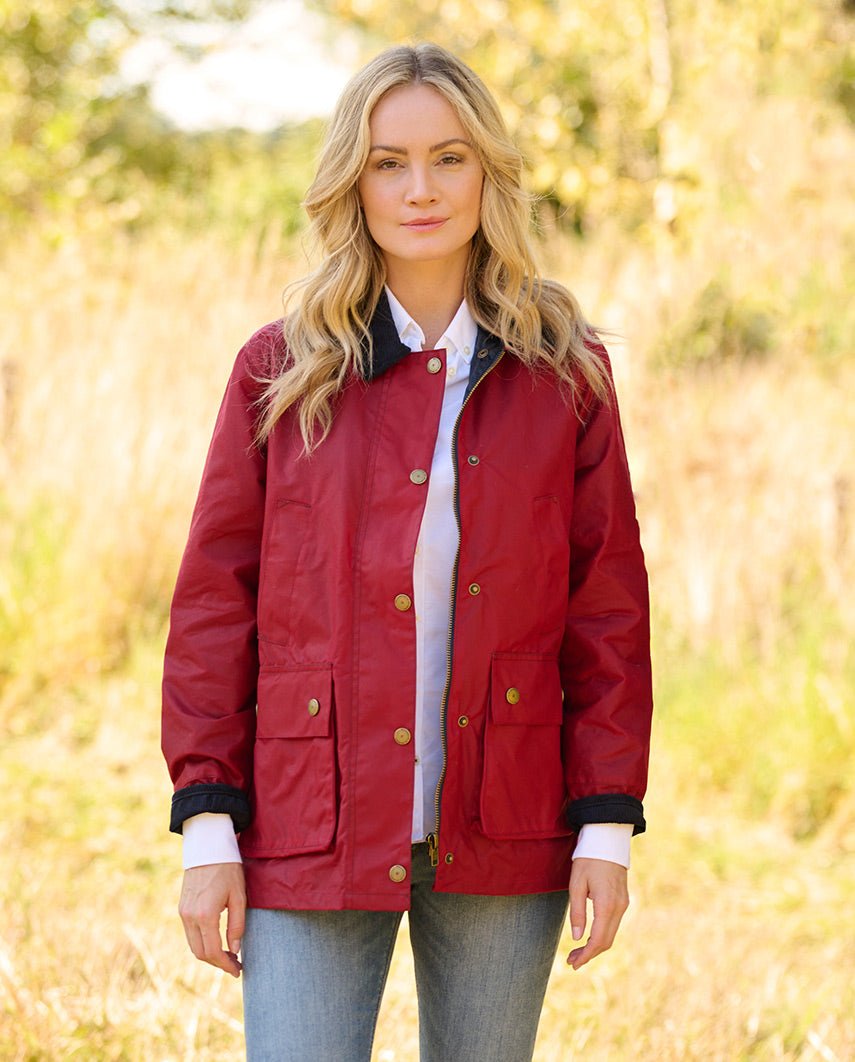
Women's Wax Jacket ''Queensberg'' in red
Wax Jackets and Wax Care at Wellington of Bilmore
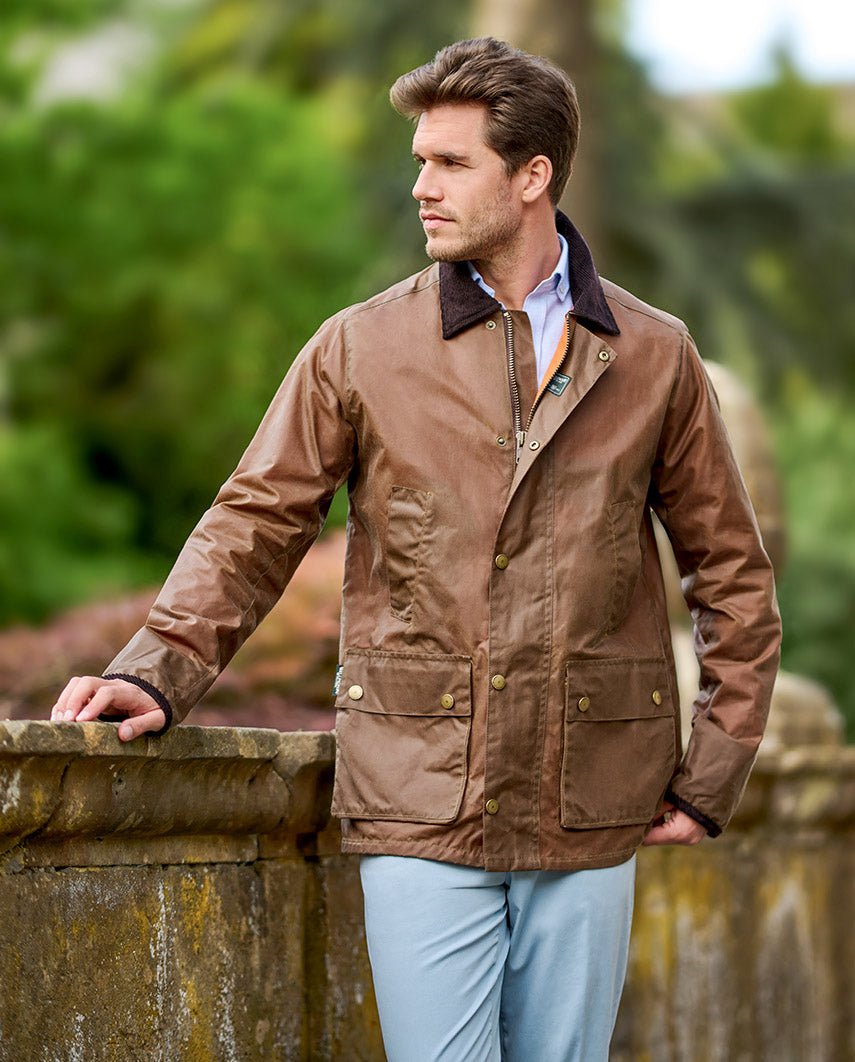
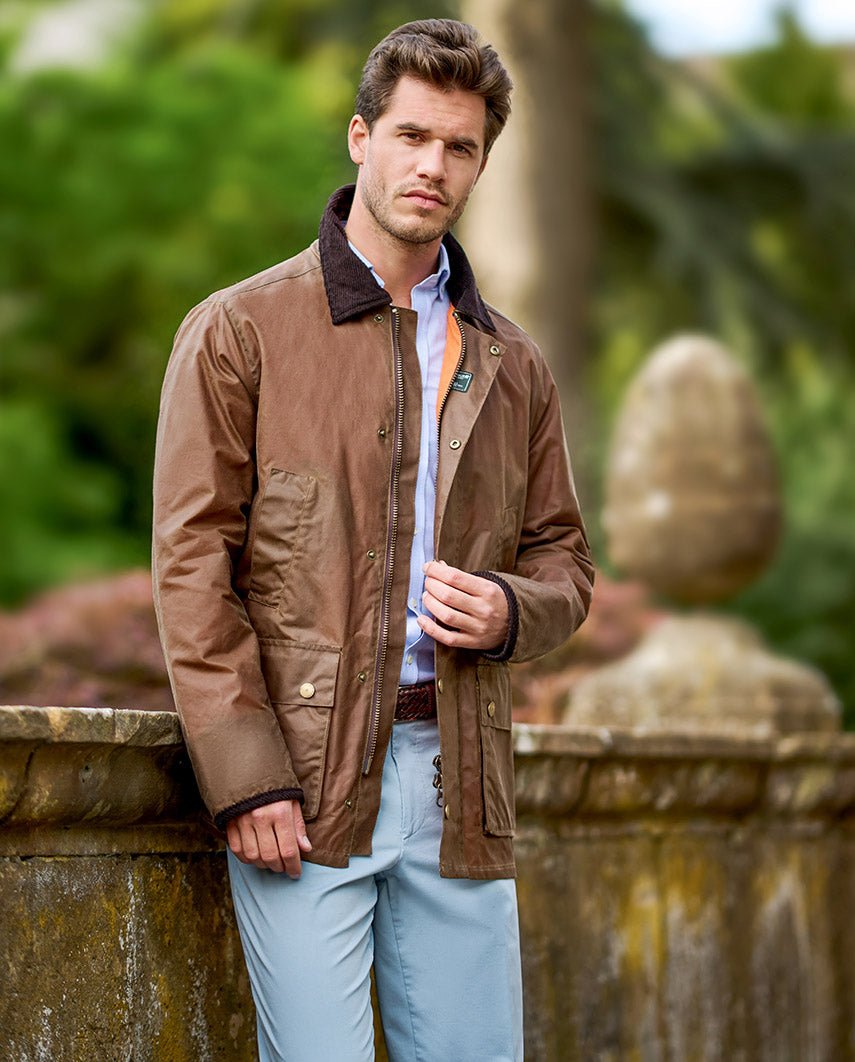
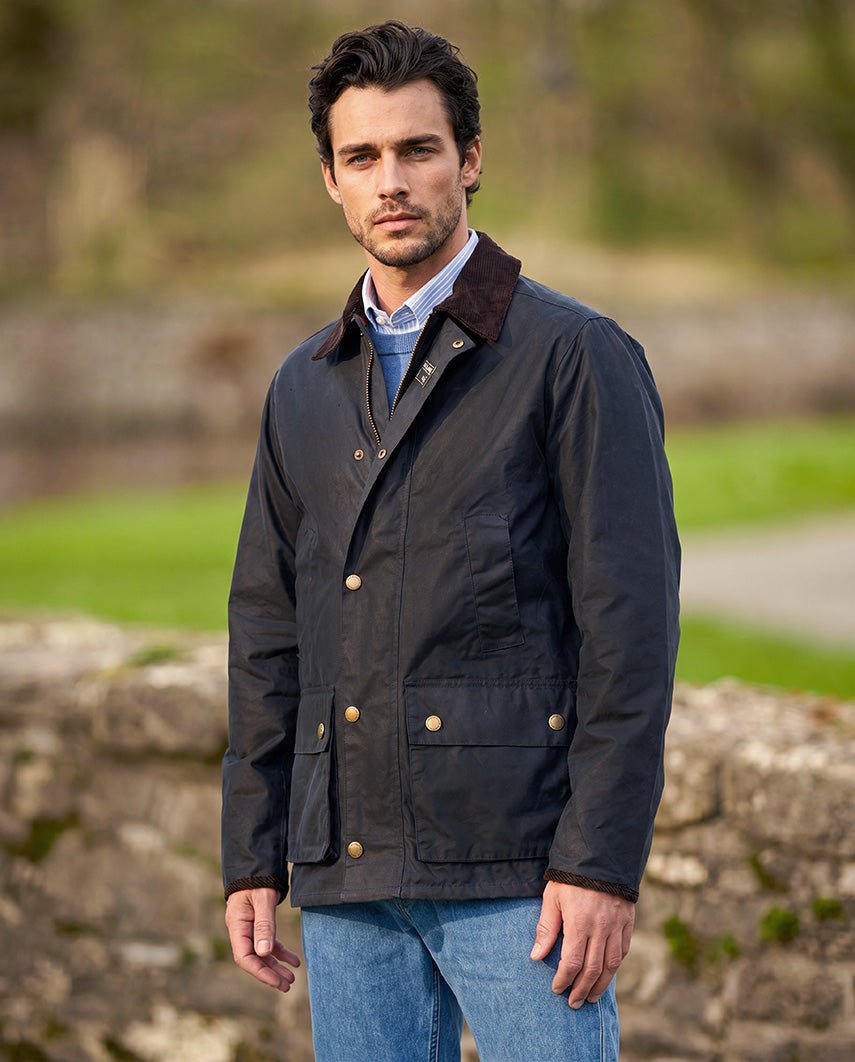
Wellington of Bilmore offers wax jackets for women and men made from waxed cotton from Halley Stevensons, the traditional Scottish outer fabric supplier for waxed cotton. The collection is designed with the classic British country look in mind and features cuts adapted for the Central European market. The jackets are fully rewaxable.
Frequently Asked Questions About Wax Jacket Care
Can a wax jacket be put in the washing machine?+
No. The washing machine will dissolve the wax layer from the cotton and permanently destroy the weather protection. Even a gentle cycle without detergent is not suitable. For normal wax jacket cleaning, cold water with a soft sponge or soft brush is the correct method.
How often does a wax jacket need to be re-waxed?+
With regular use, a complete rewaxing is worthwhile approximately once a year, usually at the end or before the beginning of the main season. With infrequent use, a refresh every two years is sufficient. Clear indicators are diminishing water repellency and visibly lightened areas on the most stressed parts of the waxed cotton.
What is the right wax for wax jackets?+
Use a wax that is specifically designated for waxed cotton, typically a mixture of paraffin and beeswax. Spray wax, like Wellington of Bilmore's Waxspray, is easy to dose for home use, while classic tin wax is pre-warmed and applied, and is the more traditional method. Barbour Wax and other brand waxes are also suitable for all common waxed-cotton jackets. Shoe polish and general leather waxes are unsuitable.
How do I waterproof waxed cotton?+
A classic wax jacket is not treated with waterproofing sprays for functional clothing, but rather re-waxed. If you want to refresh the weather protection selectively, apply spray wax (for example, Wellington of Bilmore's Waxspray) specifically to stressed areas such as shoulders, collar, and hem, and remove any excess. For complete protection, a full re-waxing with tin wax or spray wax is the most reliable choice.
What to do if the wax jacket is sticky or smells?+
Stickiness usually indicates a wax layer that is too thick or applied too warm. Dab off excess wax with a clean cloth and hang the jacket in a cool, well-ventilated place. For a musty smell after prolonged storage, fresh air in the shade helps. If the smell is persistent, professional wax jacket cleaning with subsequent re-waxing is the next step.
How do I store a wax jacket in summer?+
Hanging on a sturdy hanger, in a cool, dry room and ideally in a breathable cotton garment bag. Avoid plastic bags, direct sunlight, and heat sources. A wax jacket must be completely clean and dry before summer storage.
Can I have my wax jacket professionally cleaned?+
Yes, individual manufacturers and specialized textile care providers offer wax jacket cleaning and re-waxing as a service. A classic dry cleaning is not suitable because the solvents used there attack the wax. Have it confirmed in advance that the provider has experience with waxed cotton. For Barbour jackets, there is an official repair service handled through UK locations; for models from Wellington of Bilmore and other brands, specialized dry cleaners provide the service.
How much does it cost to have a wax jacket re-waxed?+
Depending on the provider and scope, prices for professional cleaning with re-waxing typically range between 60 and 120 Euros. Pure re-waxing without cleaning is usually cheaper, while a complete repair with touch-ups is correspondingly more expensive. Those who regularly refresh with spray wax themselves significantly extend the intervals between professional wax jacket services.
How does the care of women's and men's wax jackets differ?+
Material and care are identical. The steps for cleaning, re-waxing, and storing apply equally to women's and men's models. Differences may arise only in detailed solutions such as lining, inner pockets, or specific closures, not in the outer fabric itself.